In today’s rapidly evolving technological landscape, Artificial Intelligence (AI) is increasingly becoming a key driver of innovation. AI's transformative impact is felt across industries, and one area where it is proving especially valuable is compatibility testing for server configurations. Traditionally, testing the compatibility of various hardware and software components in a server environment was a labor-intensive and time-consuming task.
However, with the rise of AI tools and machine learning (ML), the testing process has become faster, more accurate, and highly scalable.
In this article, we explore how AI and machine learning are transforming server configuration testing by predicting compatibility issues, automating testing processes, and optimizing configurations in real time. We will also highlight how machine learning is enabling systems to continuously improve by analyzing real-world data to prevent future compatibility problems.
The Traditional Approach to Compatibility Testing: Time-Consuming and Error-Prone
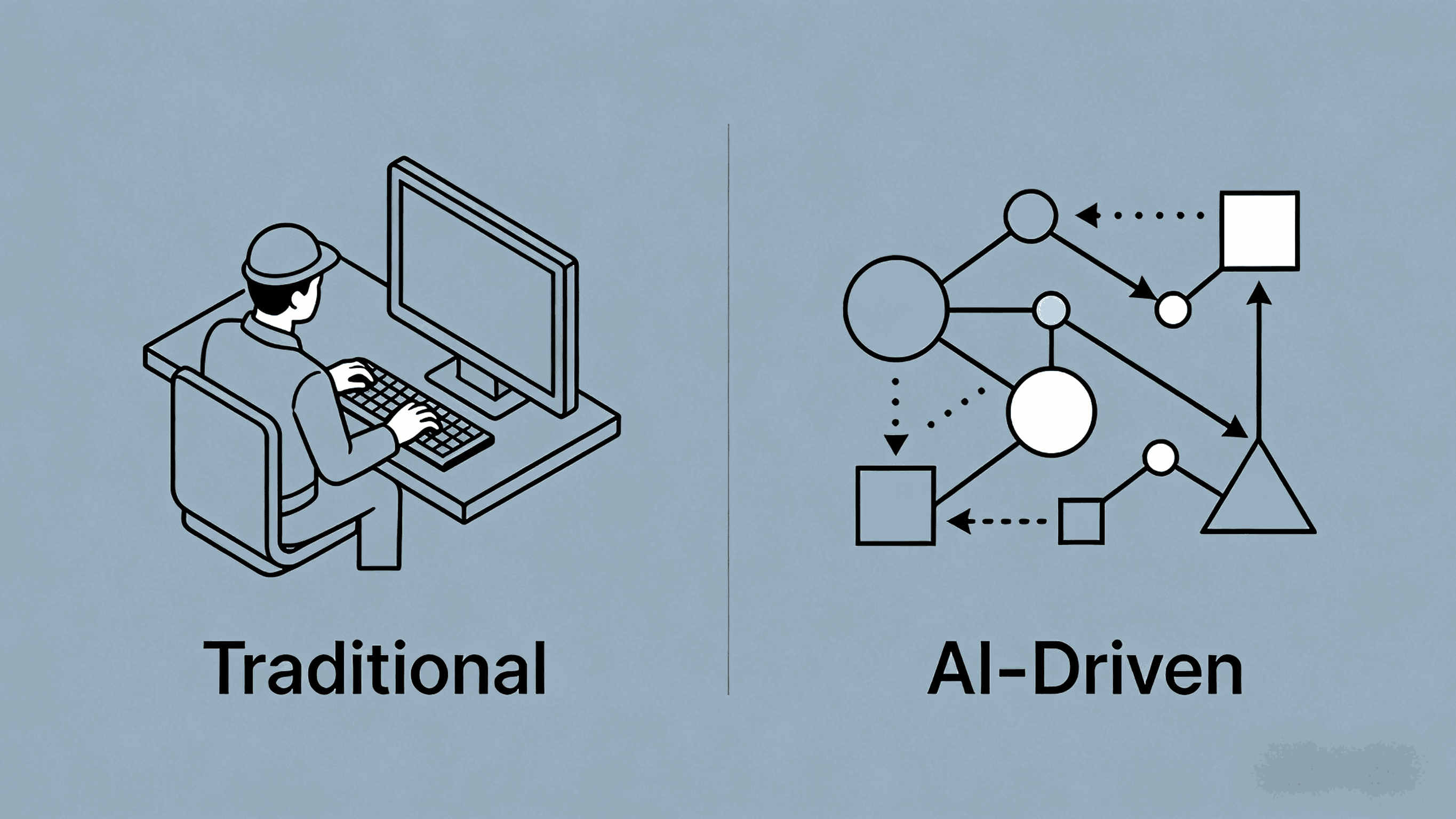
Historically, server compatibility testing has been a meticulous and manual process. IT teams needed to test different combinations of hardware, firmware, and software to identify potential issues. This process involved troubleshooting and tweaking configurations based on real-world usage, but it was often slow and prone to human error. Moreover, the complexity of modern data centers—with thousands of different components—meant that the process of testing for compatibility could take significant time and resources.
Although this process worked, it was inefficient. The advent of automation and machine learning is changing all of that.
AI-Driven Automation: Speed and Accuracy in Compatibility Testing
Automation in compatibility testing significantly reduces the time and effort required to test configurations. AI-driven tools can simulate complex environments and run automated tests across multiple hardware and software configurations. These tools can identify potential compatibility issues more efficiently than manual testing and offer faster, more reliable results.
Here are a few ways automation is improving compatibility testing:

Automated Test Suites: AI tools can automatically generate and execute extensive test cases that cover a wide range of hardware-software combinations, identifying compatibility issues in real time.
Continuous Integration: With automated testing, new server components or software updates can be tested as soon as they are available, ensuring continuous compatibility verification.
Real-time Issue Detection: AI tools detect incompatibilities or failures in real-time, providing instant feedback and reducing the time it takes to resolve configuration problems.
By automating the compatibility testing process, businesses can focus on more complex tasks like optimization, instead of spending excessive time on manual troubleshooting.

Machine Learning: Predicting Compatibility Issues Before They Occur
One of the most powerful aspects of machine learning is its ability to predict potential compatibility issues before they happen. By analyzing large datasets from previous tests and real-world server deployments, machine learning algorithms can uncover hidden patterns and relationships between hardware, firmware, and software components. These patterns can then be used to predict future issues, reducing downtime and improving system stability.
Here’s how machine learning is changing compatibility testing:
Predictive Analysis: ML algorithms analyze historical data to identify combinations of hardware and software that often lead to issues, allowing them to predict where future problems might arise.
Automated Configuration Optimization: ML can suggest optimized configurations based on patterns from real-world data, ensuring that servers run at peak performance and stability.
Continuous Learning: As more data is fed into machine learning models, they continuously improve their predictive capabilities, becoming smarter over time and better at avoiding compatibility issues.
Machine learning empowers IT teams to proactively address potential problems, before they disrupt business operations.
The Benefits of AI and Machine Learning in Compatibility Testing
The integration of AI and machine learning into compatibility testing offers several key advantages:
Increased Efficiency: Automation drastically reduces the time required to test server configurations, allowing teams to deploy new infrastructure faster.
Enhanced Accuracy: AI tools are less prone to human error, offering more accurate identification of compatibility issues.
Cost Savings: By automating testing processes and predicting issues early, businesses can avoid costly downtime and system failures.
Proactive Issue Resolution: Machine learning can identify and predict compatibility issues before they arise, reducing the need for post-deployment troubleshooting.
Scalability: With AI tools, businesses can scale their testing processes to handle thousands of server configurations without sacrificing performance or quality.
Looking Ahead: The Future of AI in Compatibility Testing
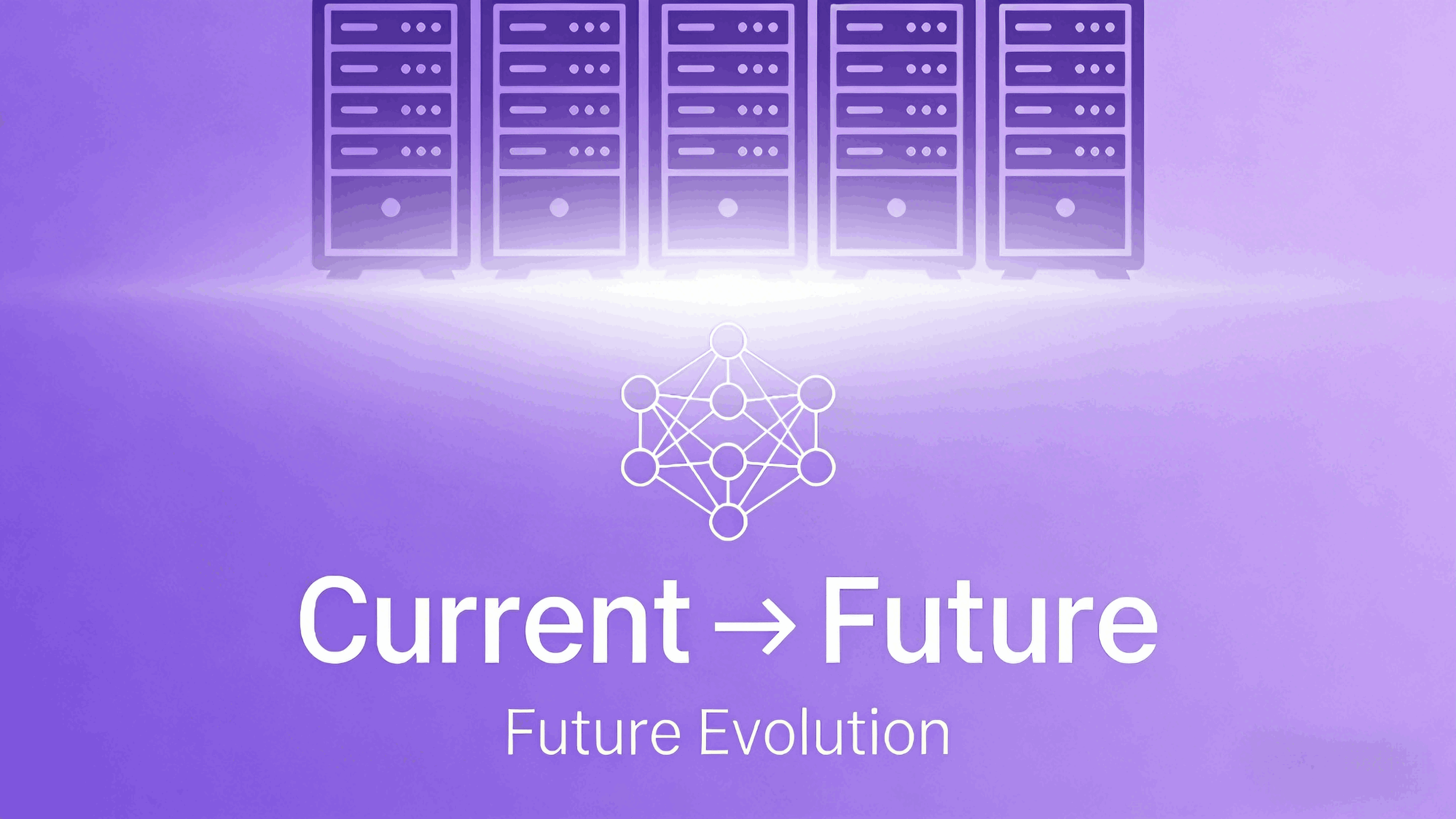
As AI and machine learning technologies continue to advance, the future of compatibility testing will only get smarter and more automated. In the near future, AI systems will not only predict and test for compatibility but will also suggest optimal configurations and perform automated fixes in real-time. This will dramatically reduce the time spent on manual testing and increase the reliability of server infrastructures across industries.
The future of IT operations will be deeply integrated with AI-driven tools that enhance server reliability while streamlining maintenance and configuration management.
Conclusion: Embracing AI for Smarter Compatibility Testing
The integration of AI and machine learning into server compatibility testing is revolutionizing how businesses manage their IT infrastructure. By predicting potential issues, automating testing, and continuously optimizing configurations based on real-world data, AI and ML are enabling organizations to maintain high levels of system performance and reliability.
Incorporating AI-driven automation and predictive analytics into compatibility testing is a smart move for any business seeking to stay competitive in an increasingly complex technological landscape. The future of IT infrastructure will be driven by intelligent, data-powered solutions that reduce the time and effort required for testing, while delivering better outcomes and reducing the risk of failure.