As global supply chains mature and hardware technologies become increasingly standardized, the white-label (unbranded / non-retail) hardware market is entering a new phase. Over the next three years, competition will no longer be defined by who can simply offer the lowest price—but by who can deliver the best cost-performance ratio at scale, with predictable quality, flexible customization, and long-term reliability.
This article shares market trend insights, technology directions, and competitive dynamics shaping the white-label motherboard and system market, with a clear focus on B2B enterprises, system integrators, and OEM/ODM buyers rather than retail consumers.
1. What Is Driving the Growth of the White-Label Hardware Market?
White-label hardware—such as AMD motherboards, Intel motherboards, Desktop motherboards, and All-in-One motherboards—is increasingly adopted by:
System integrators
Industrial solution providers
Cloud and edge computing vendors
Regional brands building private-label products
The key drivers include:
Margin pressure in branded hardware channels
Shorter product life cycles, requiring faster customization
Rising demand for localized and vertical-specific solutions
Procurement decisions shifting from marketing-driven to engineering-driven
In this environment, buyers are less interested in logos and more focused on BOM optimization, thermal reliability, power stability, and long-term supply continuity.
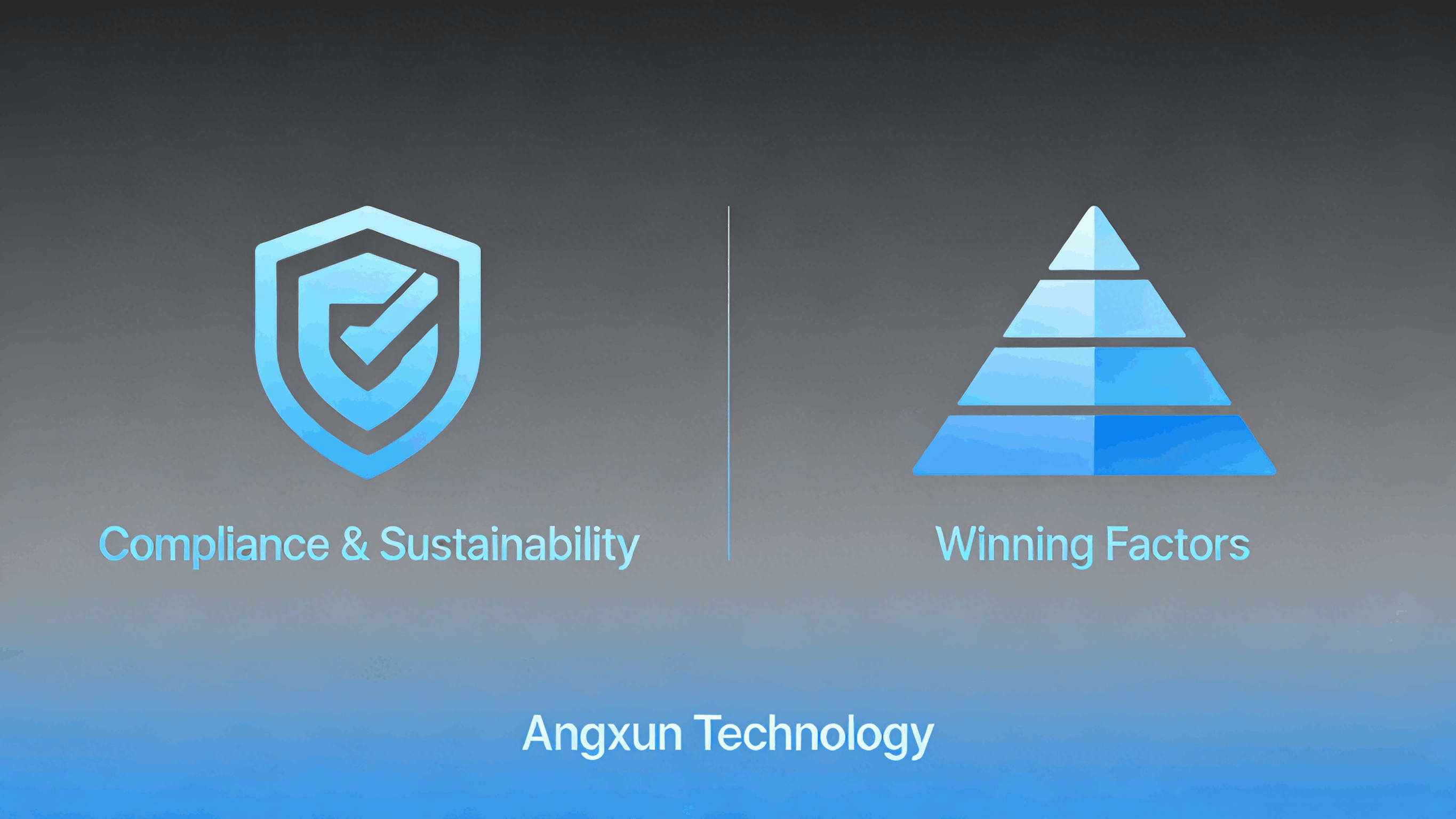
2. Trend One: Cost-Performance, Not Low Price, Becomes the Core Metric
Over the next three years, the white-label market will move decisively away from “cheapest wins” logic.
What buyers now evaluate:
Power delivery stability under sustained load
Thermal performance in dense or industrial environments
Component lifecycle consistency (capacitors, MOSFETs, PCB materials)
Failure rates over 24/7 operation
A motherboard that is 5–8% more expensive but reduces field failure rates by 30% is significantly cheaper over its lifecycle.
This is why features such as:
All-solid capacitors
Independent CPU power supply design
PCB copper plating technology
Zero-burning protection circuitsare no longer “premium extras” but baseline expectations in serious B2B white-label projects.
3. Trend Two: ODM Capability Becomes a Strategic Asset
In the past, many buyers accepted off-the-shelf designs. Going forward, ODM capability will define competitive advantage.
Key customization demands include:
Tailored I/O layouts for industrial or embedded use
Platform optimization for AMD vs Intel workloads
BIOS customization for deployment control
Thermal redesign for fanless or compact enclosures
White-label buyers increasingly prefer manufacturers who can co-design, not just assemble. This shifts competition toward factories with strong in-house R&D teams, mature validation processes, and scalable SMT capacity.
4. Trend Three: Manufacturing Transparency and Validation Matter More Than Branding
As procurement teams become more technical, questions shift from “What brand is this?” to:
How many SMT lines does the factory operate?
What inspection processes are used (SPI, AOI)?
What is the real monthly production capacity?
How consistent is quality across batches?
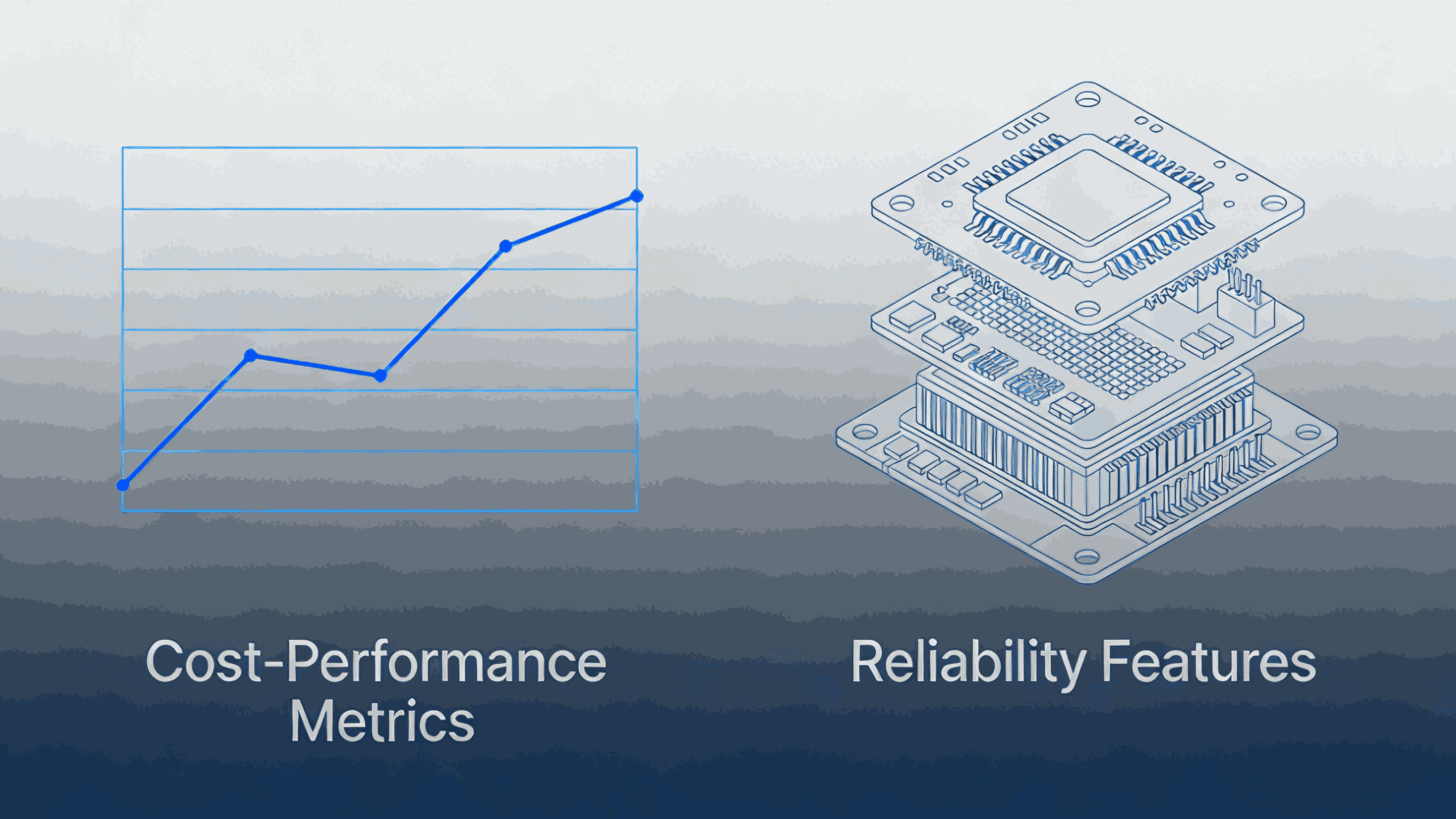
Factories that can demonstrate:
Advanced SMT production lines
High-precision SPI and AOI inspection
Documented process controlbuild trust faster than those relying on marketing claims.
In the white-label market, process credibility replaces brand storytelling.
5. Trend Four: Compliance and Sustainability Are No Longer Optional
For B2B buyers serving global markets, white-label hardware must meet regulatory and environmental standards from day one.
This includes:
CE / ROHS / FCC / ISO certifications
Use of eco-environmental materials
Stable compliance documentation for audits
Over the next three years, non-compliant suppliers will be quietly removed from approved vendor lists, regardless of pricing advantages.
6. Competitive Landscape: Who Will Win the Next Phase?
The winners in the white-label motherboard market will be manufacturers who can combine:
Scale: High, stable monthly output capacity
Engineering depth: Strong AMD and Intel platform expertise
Manufacturing discipline: Repeatable quality, not one-off samples
Speed: Fast iteration, fast delivery, fast response
After-sales accountability: Long-term support, not shipment-only relationships
This creates a natural advantage for long-established OEM/ODM factories with proven infrastructure and experience across multiple hardware cycles.
7. Angxun’s Position in the White-Label Market
Shenzhen Angxun Technology Co., Ltd., established in 2003, represents the type of manufacturer increasingly favored in this evolving market.
Manufacturing & Scale
10,000㎡ factory
500+ skilled staff
Multiple advanced SMT production lines
Monthly capacity up to 300,000 PCS of computer and industrial motherboards
Product Focus
Product Engineering Advantages
Optimized cooling system with aluminum thermal materials
All-solid capacitors for long-term stability
PCB copper plating for signal and power integrity
Independent CPU power supply design
Zero-burning protection circuits
Dual safety devices for voltage and current stability
Company Advantages
24 years OEM / ODM factory experience
Eco-environment materials
CE / ROHS / FCC / ISO certifications
50+ R&D and design engineers
Fast delivery and shipping
Guaranteed after-sales service
Conclusion: White-Label Is No Longer Secondary—It Is Strategic
Over the next three years, the white-label market will become the primary battlefield for cost-performance competition in the motherboard and system industry. For B2B buyers, success will depend on selecting partners who understand that true value is engineered, not branded.
Manufacturers that combine engineering depth, manufacturing discipline, and OEM/ODM flexibility will define the next generation of white-label hardware supply.