The Economics of Hardware Refresh: The Best Upgrade Cycle Model Based on TCO
In today’s fast-paced digital economy, businesses are constantly faced with the challenge of determining the optimal time to update their hardware. Hardware refreshes are critical for maintaining peak performance, ensuring security, and staying competitive. However, making the right decision requires more than just analyzing the upfront costs. Companies need to balance their investment against the performance benefits over time.
A key strategy in determining the right hardware upgrade cycle is utilizing the Total Cost of Ownership (TCO) model. In this article, we’ll explore how businesses can leverage TCO to develop an optimal upgrade cycle, aligning financial goals with performance needs while minimizing risks.
What is Total Cost of Ownership (TCO)?
The Total Cost of Ownership (TCO) is a comprehensive financial model that calculates the complete cost of owning and operating hardware over its lifecycle. It includes not just the initial purchase cost but also the operational costs, such as energy consumption, maintenance, downtime, and eventual disposal. By factoring in these costs, businesses can make more informed decisions about when to upgrade their hardware to maximize the return on investment (ROI) and minimize long-term expenses.
Understanding the Hardware Refresh Cycle
When businesses choose to refresh their hardware, they’re essentially choosing between extending the life of their current equipment or investing in new hardware. The decision hinges on performance vs. cost and involves balancing the following factors:
Depreciation: Hardware components lose value over time due to wear and tear. Older hardware may become less efficient, leading to higher operating costs and lower performance.
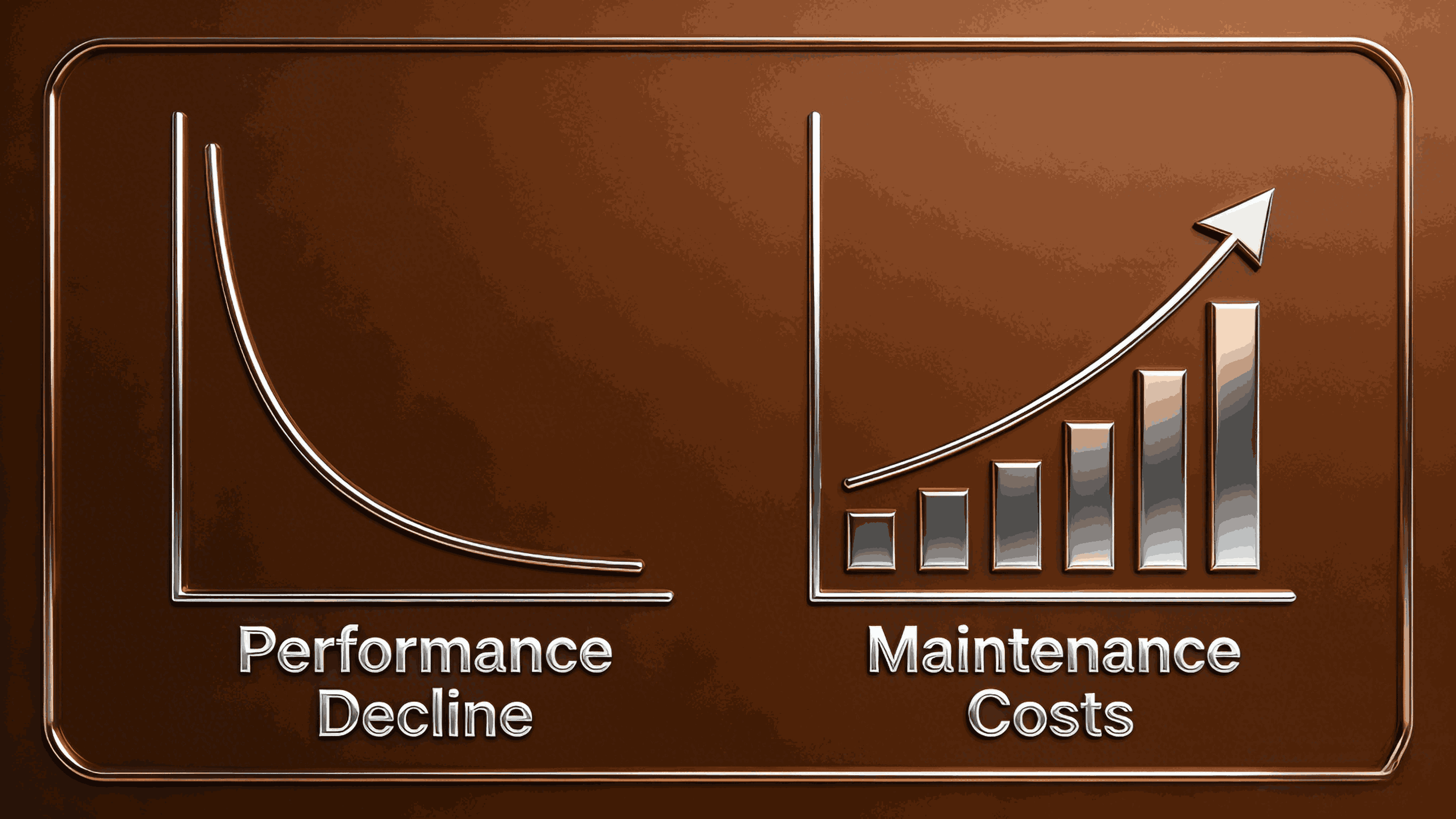
Maintenance Costs: As hardware ages, maintenance costs increase. Older systems require more frequent repairs and have a higher likelihood of failures. These costs can quickly add up, often exceeding the cost of upgrading to newer equipment.
Performance Decline: Over time, older hardware becomes less capable of meeting the demands of modern software and workloads. This leads to inefficiencies, slower processing speeds, and higher energy consumption.
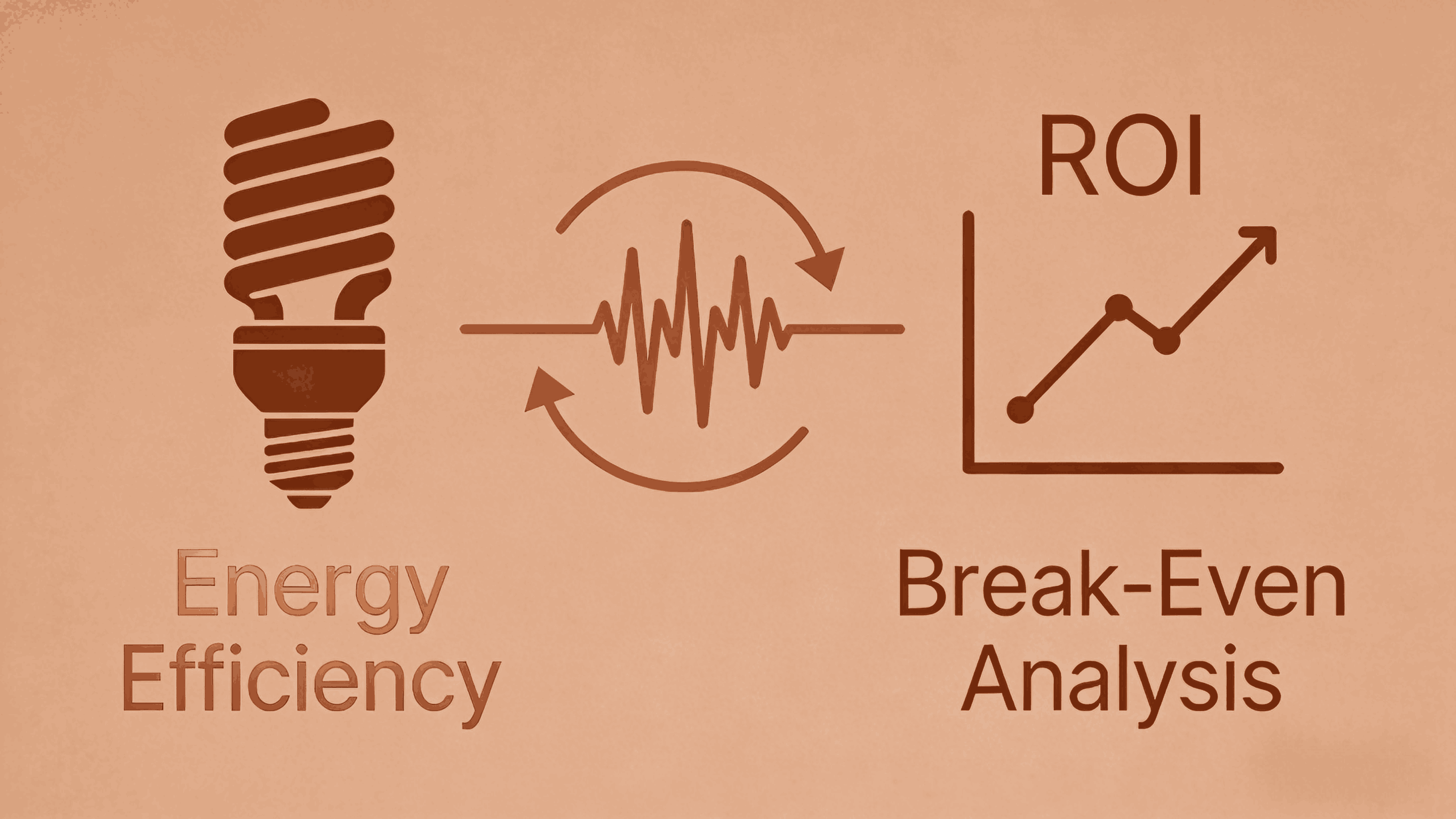
Energy Efficiency: Newer hardware is typically more energy-efficient, reducing operational costs. Older systems may consume more power for the same performance, driving up energy costs and environmental impact.
Risk of Downtime: Aging hardware is more prone to failure, which can lead to costly downtime and business disruptions. The risks of critical failures increase as equipment reaches the end of its useful life.
The TCO Model for Hardware Refresh Cycles
To optimize the hardware refresh cycle, businesses must assess TCO in relation to their hardware’s performance and future needs. Here’s how the TCO model can help businesses determine the best time for a hardware upgrade:
Initial Purchase Cost: The upfront cost of new hardware is often the most obvious factor in the decision. However, businesses should consider the long-term savings that come with more efficient, higher-performance hardware.
Operational Costs: Analyze the energy consumption, maintenance, and labor costs associated with keeping the existing hardware operational. Factor in downtime costs, which can be difficult to quantify but can significantly affect productivity.
Efficiency Gains: New hardware often brings significant performance improvements, which can lead to increased productivity and reduced operational costs. For example, a newer server may handle more workloads with fewer resources, improving overall efficiency.
Return on Investment (ROI): Calculate the ROI of a hardware upgrade by comparing the cost of the new system against the total savings in operational costs over time. A detailed TCO analysis will help determine the break-even point, the time at which the investment in new hardware pays off.
Upgrade Frequency: A key element of the TCO model is identifying the right frequency for hardware refreshes. Refreshing too early might not provide a sufficient ROI, while waiting too long could lead to excessive operational costs and performance bottlenecks. The ideal refresh cycle balances the costs of ownership and the gains in performance.
Data Model for Optimal Hardware Refresh Timing
To make more informed decisions, businesses can create a data model that incorporates key variables such as hardware age, performance metrics, and maintenance costs. Here’s an example of how such a model might look:
Hardware Age: Track the age of all devices and components in your network. Older hardware will have higher maintenance costs and a higher risk of failure.
Performance Metrics: Measure how well current hardware is meeting business needs. Performance degradation can be quantified by benchmarking key metrics such as processing speed, energy consumption, and load times.
Cost to Maintain: Track the cost of maintaining each piece of hardware, including repair costs, downtime, and labor.
Energy Consumption: Measure the power usage of older systems vs. newer, more energy-efficient models. Include the costs associated with energy consumption.
By feeding this data into a model, businesses can identify the break-even point for each piece of hardware and calculate the optimal time to refresh. This model will vary depending on the type of hardware, its usage, and the specific needs of the business.
Conclusion: Balancing Investment and Performance
The decision to upgrade hardware is not just about managing costs; it’s about optimizing business performance and staying competitive. By adopting a TCO-based approach, businesses can make data-driven decisions that balance the initial investment with the long-term benefits of improved performance, lower maintenance costs, and better energy efficiency.
The ideal hardware refresh cycle isn’t one-size-fits-all. It depends on the specific needs of the organization, the type of hardware, and how critical the equipment is to daily operations. A thorough TCO analysis helps businesses understand the trade-offs between cost and performance, ensuring that they make the right decision at the right time.