Why Long-Term Burn-In Tests Are Crucial for Identifying Hidden Risks
When it comes to server reliability, the burn-in test is a crucial engineering practice.
It’s easy to assume that if a server performs well in initial tests — passing all the usual benchmarks — it’s ready for production.
However, long-term burn-in testing is often the only way to uncover hidden issues that may not surface during short-duration validation.
In this article, we’ll explore the lessons learned from conducting long-term burn-in tests on servers and why they are crucial for ensuring reliability in production.
Why Burn-In Testing Matters
Burn-in testing is more than a stress test. It's a time-dependent validation that mimics real-world use under sustained loads and environmental conditions. The goal is to identify issues that only emerge after extended operation, such as:
Thermal performance degradation over time
Component interactions that reveal themselves under prolonged use
Firmware bugs or stability issues that only appear after extended uptime
Servers may look perfect at first glance, but these subtle failures can manifest only after weeks or months of continuous operation, often under real-world conditions.
Common Failures Revealed by Long-Term Burn-In Tests
1. Thermal and Power Cycling Issues
Servers undergo significant thermal cycling as they heat up and cool down during normal operation. In long-term testing, engineers often find that:
Thermal paste degrades over time, reducing cooling efficiency
Heat sinks become misaligned, especially when subjected to high-intensity workloads
Power supplies experience degradation with repeated on/off cycles, affecting stability
These issues are often invisible in short-duration tests and can lead to unpredictable failures in production environments.
2. Component Aging and Wear
Over the course of burn-in tests, engineers observe:
Capacitor degradation after extended voltage cycling
NAND flash wear that only becomes apparent after sustained writes
Memory degradation or signal integrity issues that increase under continuous load
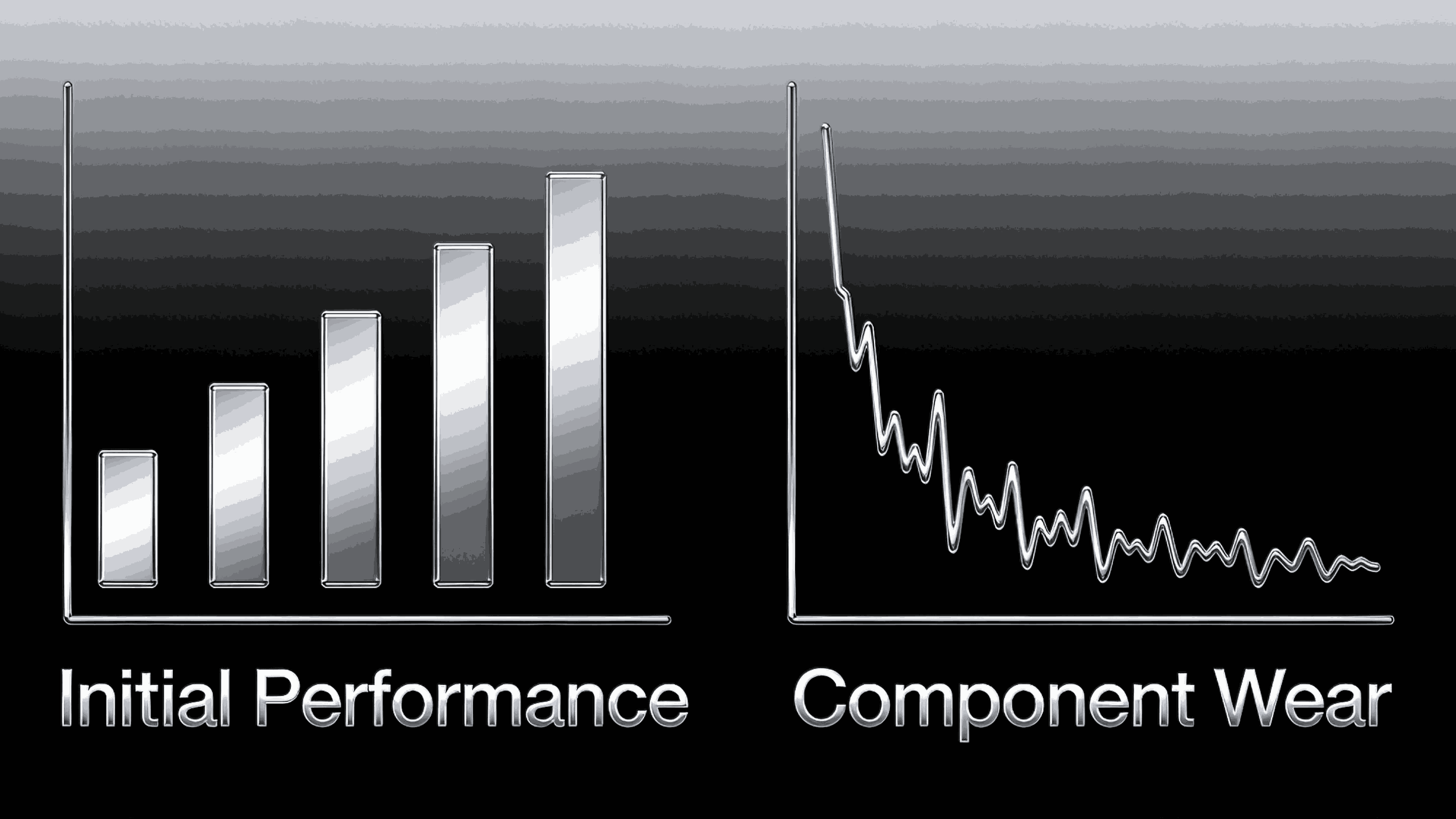
Long-term testing uncovers issues that don't show up in initial performance benchmarks, helping teams understand the lifespan of components and plan for preventive maintenance.

3. Firmware or Driver Incompatibilities
In many cases, firmware updates or driver revisions cause intermittent issues that appear only under long periods of operation:
Compatibility issues between hardware and updated firmware may only surface after long durations
Unexpected errors in error-correcting codes (ECC) or memory controllers under stress conditions
Subtle differences in power management logic that lead to inconsistencies in behavior
Burn-in testing allows engineers to spot long-term stability issues related to firmware and drivers, ensuring systems run smoothly once deployed.
4. Unreliable Network and Storage Behavior
Long-term testing can reveal network instability or storage failures that are not immediately apparent. Some potential issues include:
Network interface cards (NICs) that behave inconsistently after prolonged use
RAID or disk arrays that show degradation or failure after hours of heavy I/O
Overheating of storage devices that causes read/write errors under load
Burn-in testing highlights network and storage vulnerabilities that might only show up after extended periods of use, ensuring these components can endure in production environments.

Key Insights from Long-Term Burn-In Testing
1. Test Beyond the Datasheet
Just because a component is rated for a certain performance level doesn't mean it will perform optimally under continuous use. Engineers have learned to validate real-world endurance by:
Extending test durations to weeks or months
Varying workloads to simulate actual use cases
Tracking long-term metrics such as temperature, power consumption, and failure rates
Short-term validation simply cannot expose issues like thermal degradation or NAND wear that only become apparent over time.
2. Cross-Component Interactions Matter
It’s not enough to test components individually. Long-term burn-in tests focus on how components interact under real workloads. These interactions often reveal:
Power and thermal dependencies between CPU, memory, and storage
Firmware mismatches that arise when different components are stressed together
Bottlenecks that occur under sustained load when different parts of the system are not optimized for each other
3. Plan for Replacement and Maintenance
One of the biggest lessons learned from burn-in testing is that not all failures are catastrophic. Many issues that arise during long-term testing are gradual, such as:
By detecting these issues early, engineers can predict component lifespan and plan maintenance or replacement schedules accordingly.
4. The Importance of Proactive Monitoring
During long-term testing, monitoring systems are essential for detecting early failure signs. Engineers learn to:
Track SMART data and other health metrics over time
Set early warning thresholds for components showing signs of wear
Implement automated testing to simulate real-world load and thermal conditions
Proactive monitoring enables teams to detect issues before they impact production and improve long-term reliability.
Final Thought
Burn-in testing is not just a final step before deployment; it is a critical part of the design validation process.
What looks fine in short-duration tests can turn into hidden risks over time.
Through long-term testing, engineers can identify:
These insights allow for predictable and stable deployments, helping to avoid costly failures in production and ensuring that systems run smoothly under real-world conditions.