In today's rapidly evolving business landscape, enterprises are increasingly prioritizing sustainability and operational efficiency in their procurement strategies. One of the key metrics that is gaining traction is the performance-to-power ratio—a measure that evaluates the computational power delivered per unit of energy consumed. This metric is becoming a strategic indicator for enterprise procurement, reflecting not only operational efficiency but also alignment with Environmental, Social, and Governance (ESG) goals.
What is the Performance-to-Power Ratio?
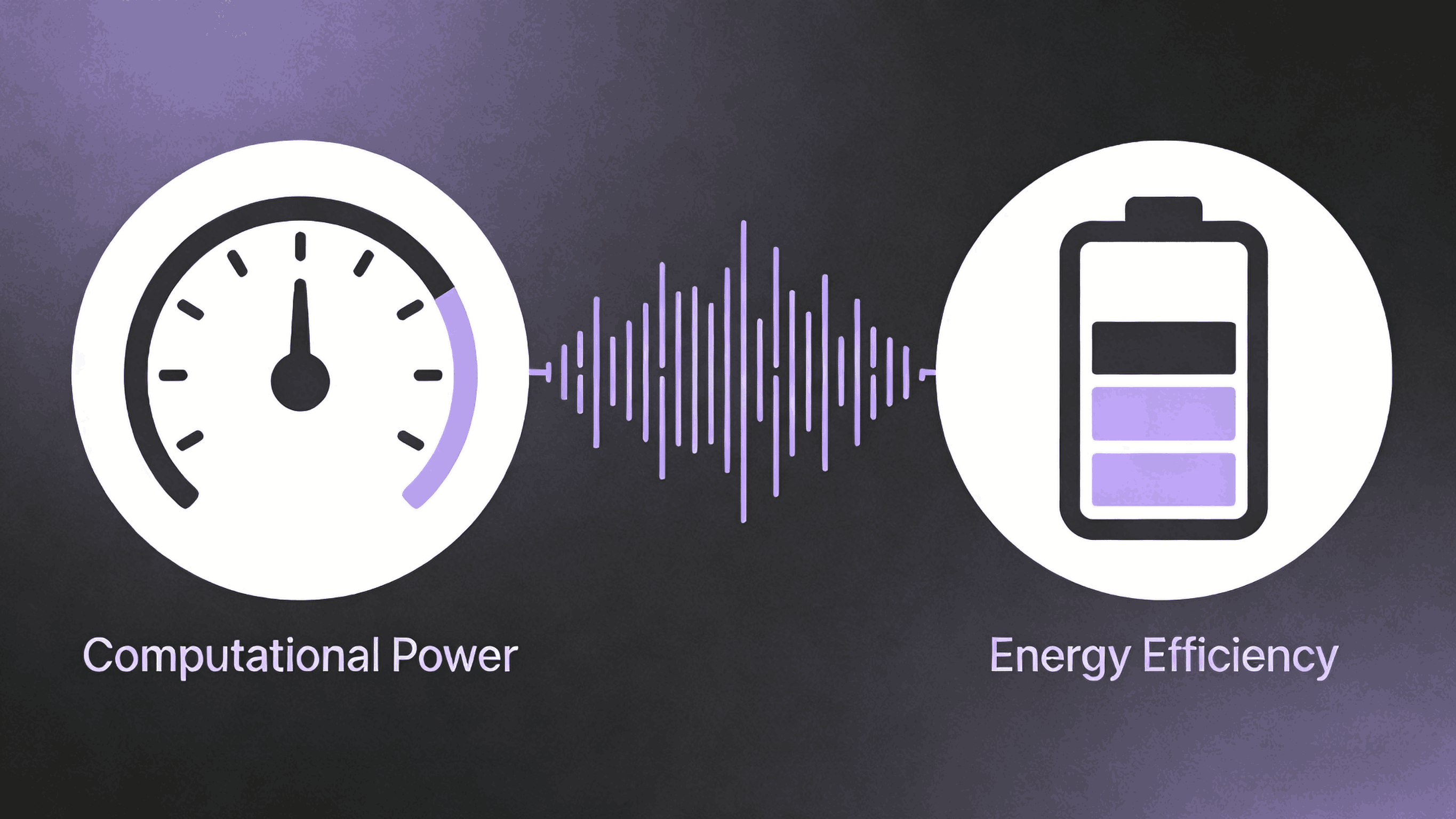
The performance-to-power ratio refers to the amount of computational power that a system can deliver relative to the energy it consumes. In simpler terms, it measures how efficiently a piece of technology performs tasks while minimizing energy usage. For enterprises that rely on data centers, cloud computing, and high-performance computing systems, optimizing this ratio is vital for reducing both operational costs and environmental impact.
Why is the Performance-to-Power Ratio Important?
For many businesses, energy consumption has become a critical factor, not only because of its cost implications but also due to growing regulatory pressures and corporate sustainability targets. A better performance-to-power ratio means businesses can achieve the same level of performance with lower energy consumption. This aligns directly with ESG objectives that focus on reducing carbon footprints and improving energy efficiency.
Enterprises are increasingly evaluated on their ability to balance high performance with low environmental impact, making the performance-to-power ratio an essential part of procurement decision-making. Moreover, this metric is especially important for companies with large-scale operations, where energy costs can be a significant portion of their total expenses.
Comparing Performance-to-Power Ratios Across Systems
When evaluating potential procurement options, companies should perform horizontal comparisons of the performance-to-power ratios of different products in the same performance class. This involves examining multiple options that deliver the same computing power but differ in energy efficiency. These comparisons reveal which products can provide the highest computational performance while minimizing energy consumption.
Example Comparison:
Product | Performance (GFLOPS) | Power Consumption (W) | Performance-to-Power Ratio (GFLOPS/W) |
Product A | 100 | 150 | 0.67 |
Product B | 100 | 120 | 0.83 |
Product C | 100 | 100 | 1.0 |
As shown in the table, Product C offers the best performance-to-power ratio, meaning it delivers the same performance as Product A and Product B but consumes less energy. This makes it the most efficient choice, both in terms of cost savings and environmental impact.

Connecting Performance-to-Power Ratio with ESG Goals
The adoption of high-performance, energy-efficient technologies directly contributes to meeting an organization’s ESG objectives. With global pressure mounting for companies to reduce their environmental footprints, having a low performance-to-power ratio is more than just a competitive advantage—it’s a corporate responsibility.
Environmental Impact: By adopting systems with better performance-to-power ratios, companies reduce their energy consumption, contributing to a decrease in greenhouse gas emissions.
Cost Efficiency: Energy-efficient systems lead to lower operating costs, which improves the overall profitability of the organization.
Sustainability Reporting: Companies can highlight these efforts in their sustainability reports, improving their corporate reputation and satisfying the increasing demand from investors for ESG transparency.
The Future of Procurement: A Focus on Efficiency
As the procurement landscape shifts towards sustainability, the performance-to-power ratio will continue to emerge as a key strategic metric for decision-making. In fact, we expect it to play a growing role in procurement evaluations, influencing purchasing decisions for everything from servers and cloud infrastructure to enterprise software solutions.

Conclusion
The performance-to-power ratio is more than just a technical metric—it is a strategic business indicator that reflects a company’s commitment to operational efficiency and sustainability. As enterprises align their procurement strategies with ESG objectives, this metric will become an essential part of the decision-making process. By adopting products with optimal performance-to-power ratios, businesses can achieve significant cost savings while meeting environmental and regulatory targets.