Solving the OEM problem of “Same Server, Different Behavior.”
If you’ve ever deployed servers in batches, you’ve likely seen this problem:
Two units with the same part number, same CPU, same memory, same storage—
yet one boots perfectly while the other shows:
This phenomenon has a name: “Same machine, different destiny.”
And in 90% of cases, the root cause isn’t hardware—
it’s configuration drift.
Why Baseline Templates Change Everything
A Baseline Configuration Template ensures every server starts from a known-good, validated environment.
BIOS Settings Template
Power profile
PCIe bifurcation
Memory training behavior
Virtualization flags
Turbo/C-state parameters
BMC Configuration Baseline
Network mode
Sensor thresholds
SOL/IPMI policies
RAID/NVMe Storage Template
Cache policy
Stripe size
Initialization behavior
Virtual drive layout
NIC Template
Offload settings
RSS configuration
VLAN and bonding mode
Interrupt moderation
OS & Driver Baseline Image
Kernel version
Driver versions
Validated modules
Standard toolchain
How This Boosts Predictability by 10×
1. Removes 90% of the “Randomness”
When every server starts from a controlled baseline, behavior becomes deterministic—even across thousands of units.
2. Eliminates Hidden Variables
No more:
All configuration drift is eliminated.
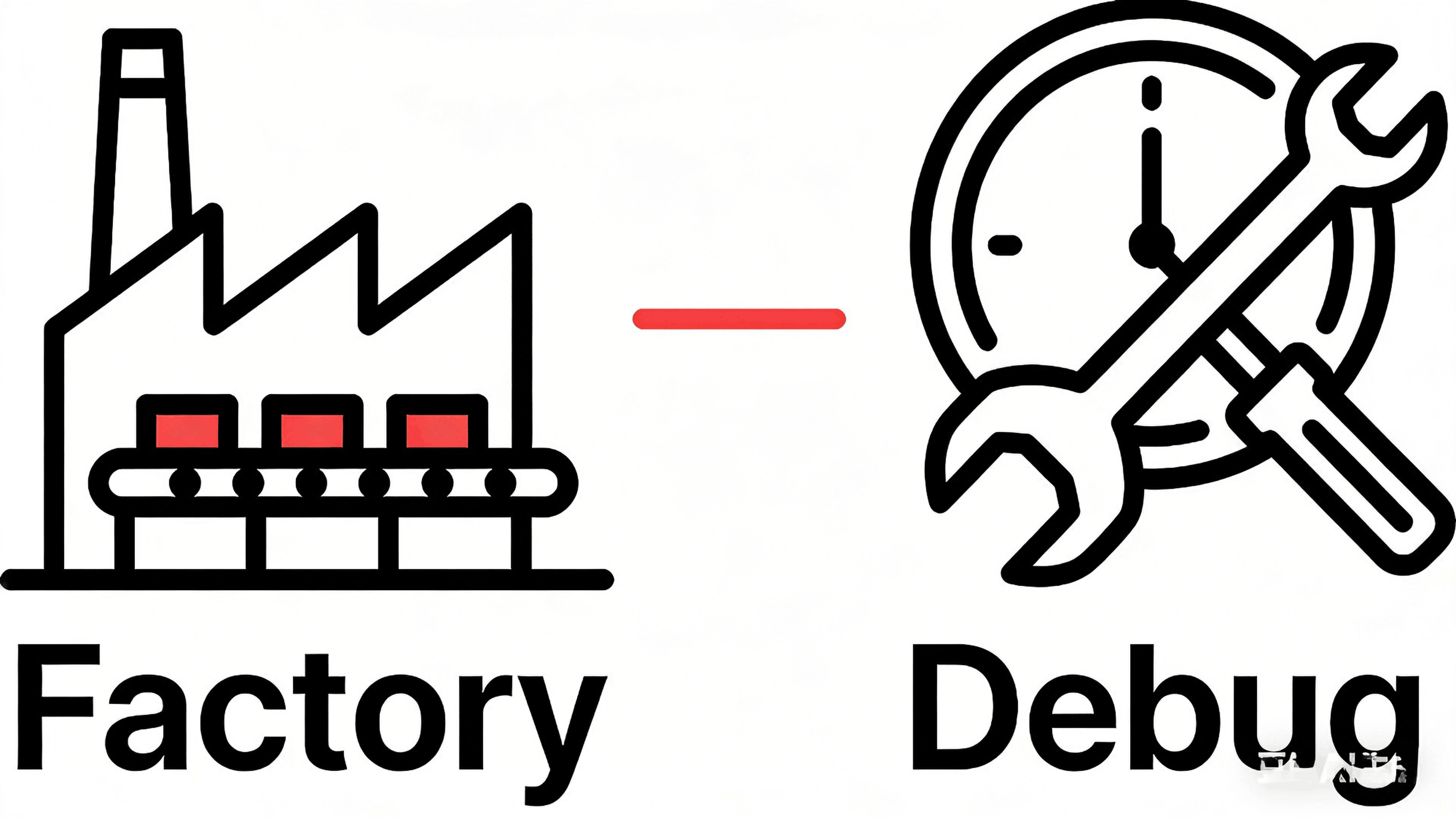
3. Reduces Deployment Debug Time by 50–80%
Engineers stop asking,
“Why is this unit different from the others?”
Because they already know: it isn’t.
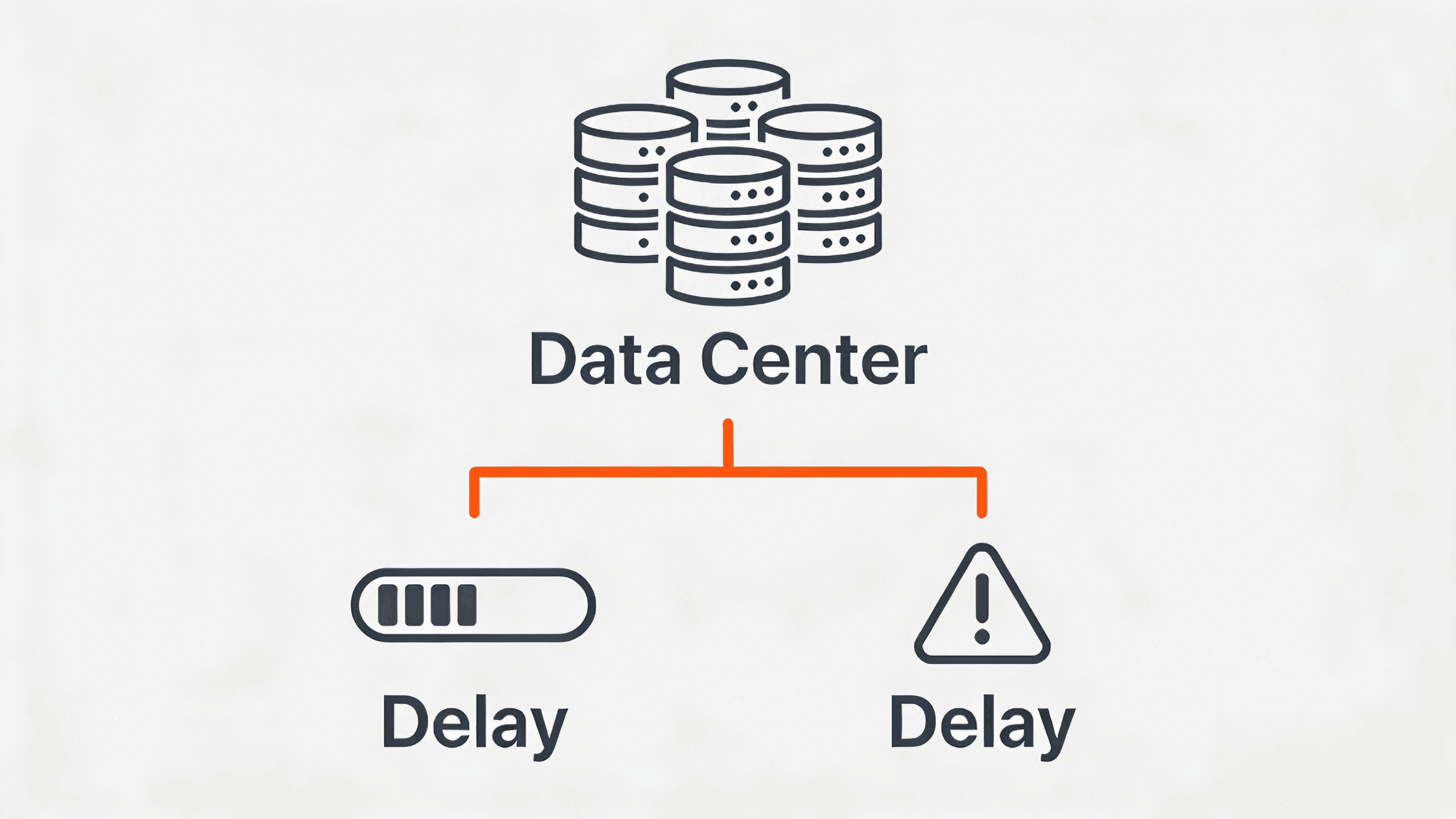
4. Stops Factory → Data Center Drift
Factory burn-in images frequently diverge from production environments.
Baseline templates keep both sides aligned across batches.
5. Makes Issues Reproducible
If a bug appears on Server #17, it can be reproduced on #18, #19, #20…
because all starting conditions are identical.
Reproducibility enables fast root-cause analysis.
How Angxun Uses Baseline Templates in Real Deployments
Across our OEM/ODM projects, we implement:
Platform-specific BIOS/BMC templates
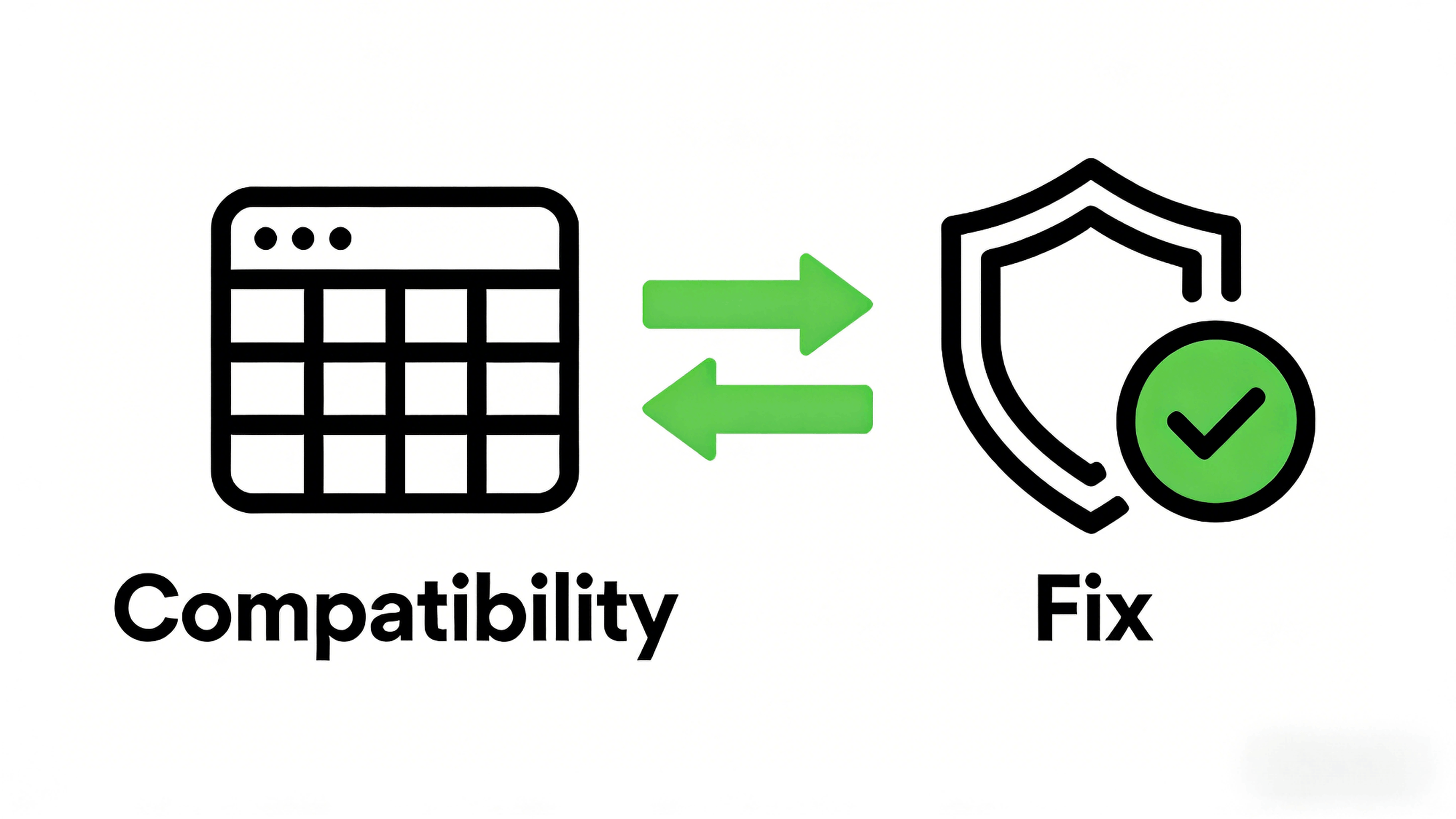
Driver–firmware compatibility matrices
Pre-validated OS images
Zero-drift RAID/NIC policies
This strategy delivers:
10× deployment predictability
50–80% debug-time reduction
Consistent batch-level behavior
Fewer RMAs and customer escalations
It is the difference between chaos and engineering discipline.
Final Takeaway
If you want predictable deployments, fewer escalations, and stable large-scale rollouts, the formula is straightforward:
Reduce variables.
Control the environment.
Ship with a validated baseline.
Baseline templates don’t just improve stability—
they make server behavior predictable at scale.