Why Short-Term Validation Misses Long-Term Reliability Risks
In server deployments, few failures are more frustrating than this:
An SSD passes every QA test.
It performs well in staging.
It deploys cleanly into production.
And then — 60 to 90 days later — failures begin to appear.
Not all at once.
Not predictably.
But often enough to disrupt operations.
These are not defective SSDs in the traditional sense.
They are insufficiently validated for real-world conditions.
Why QA Success Does Not Guarantee Production Reliability
Most QA processes are designed to answer one question:
Does this SSD meet specifications at the time of delivery?
Production asks a different question:
Does this SSD behave consistently after months of sustained, real workloads?
The gap between these two questions is where many SSD failures hide.
Common Reasons SSDs Fail After 90 Days
1. Workload Mismatch During Validation
QA tests often rely on:
Production environments do not.
Real workloads introduce:
SSDs that look stable in QA may degrade under persistent, uneven workloads.

2. Thermal Behavior Over Time
Thermal validation is frequently underestimated.
While SSDs may pass:
They may still experience:
Thermal aging rarely appears in early QA cycles.
3. Firmware Edge Cases Under Sustained Operation
Firmware bugs are often:
Issues such as:
may surface only after weeks of continuous operation.
4. NAND Endurance and Early Wear Behavior
Not all NAND behaves identically:
Different flash generations
Vendor-specific wear algorithms
Variable quality across batches
Early-life wear anomalies can pass initial checks but fail during extended use.

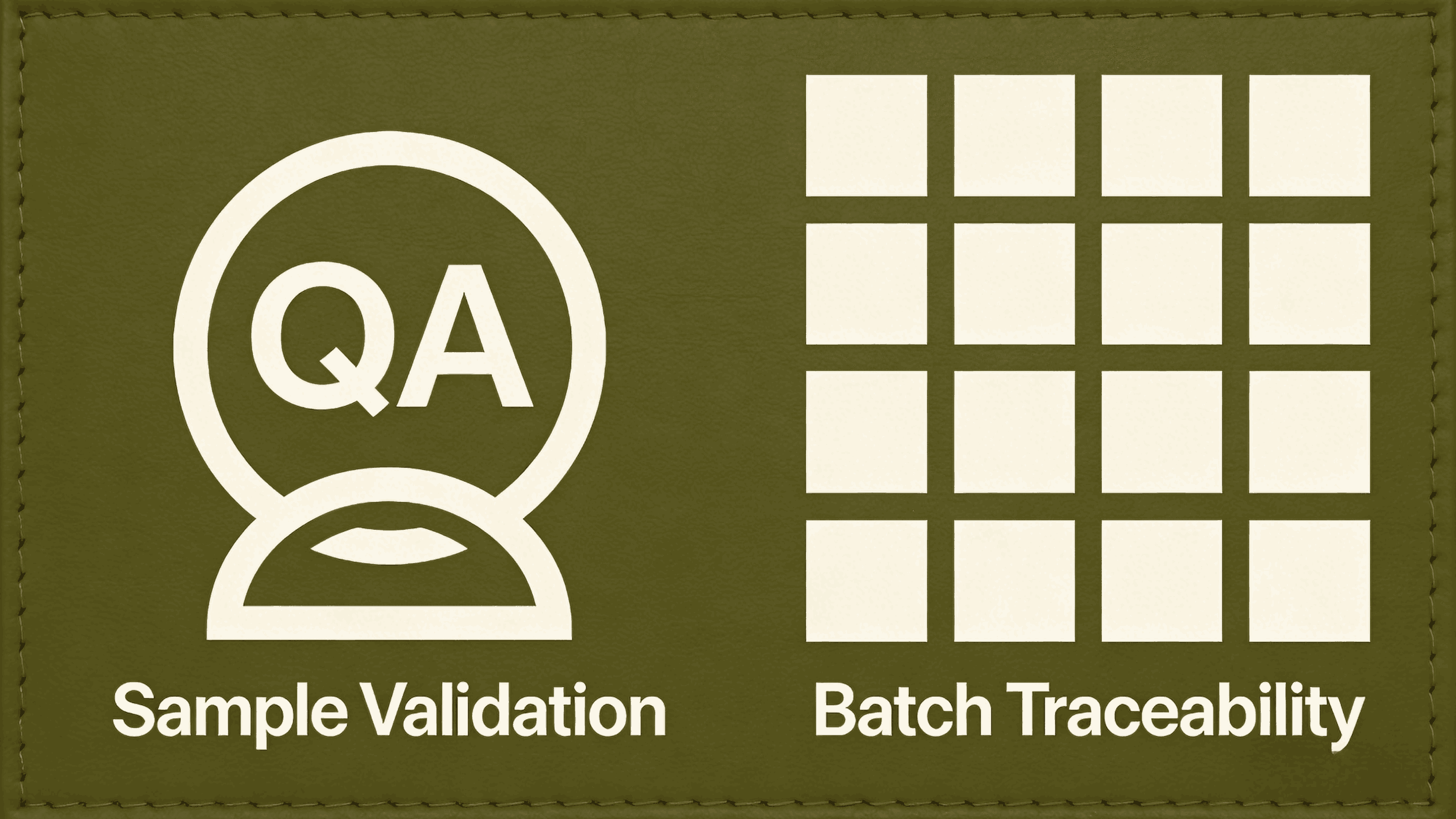
5. Lack of Batch-Level Validation
QA typically validates:
One or two samples
Per-model, not per-batch
Production failures often correlate to:
Specific manufacturing lots
Silent component substitutions
Minor firmware or controller changes
Without batch traceability, patterns remain hidden until failure rates rise.
Why These Failures Are So Hard to Debug
By the time SSDs fail:
Systems are already in production
Configurations may have drifted
Logs may be incomplete
Root causes span firmware, workload, and environment
What looks like random failure is often deterministic behavior revealed late.
How Reliability-Focused Teams Reduce 90-Day Failures
Mature platform and QA teams extend validation beyond pass/fail.
They focus on:
Long-Duration Validation
Workload-Aware Testing
Firmware Baseline Control
Batch and Revision Tracking
Post-Deployment Monitoring

Final Thought
SSDs that fail after 90 days are not a mystery.
They are a reminder that:
Reliability is a time-dependent property.
Passing QA is necessary — but not sufficient.
True reliability emerges only when validation reflects the realities of long-term production use.