A Perspective for Engineering Managers
In fast-moving infrastructure projects, component selection is often framed as a procurement or specification exercise.
In reality, for engineering teams, trial-and-error component selection is one of the most expensive hidden costs in platform development.
The cost is not measured in part prices —
it is measured in engineering time, delayed milestones, and lost focus.
1. Trial-and-Error Looks Cheap — Until Engineering Time Is Counted
From the outside, trial-and-error selection appears flexible:
But every “small change” triggers a cascade of engineering work:
BIOS and firmware re-validation
Driver compatibility checks
Stress and regression testing
Issue triage and documentation
None of this is visible on a BOM — yet it consumes the most valuable resource: experienced engineers.
2. The Real Cost: Context Switching and Validation Reset
Engineering teams pay a heavy price when platforms lack a validated baseline.
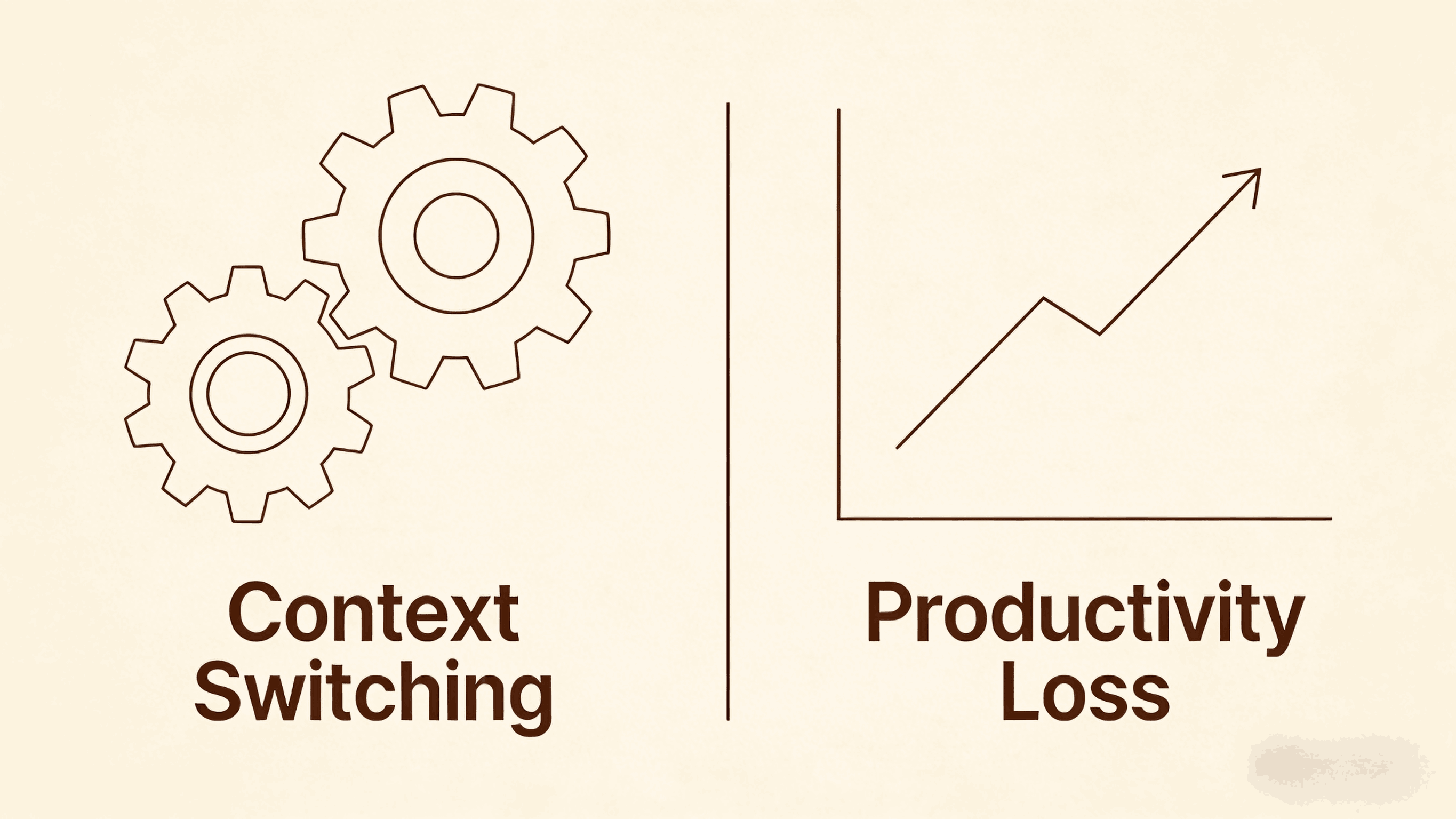
Each component change forces engineers to:
Rebuild mental models of system behavior
Reproduce previous results
Re-establish confidence in stability
This context switching slows progress dramatically and erodes productivity — especially in senior engineers whose time is the most constrained.
3. Why Trial-and-Error Scales Poorly
Trial-and-error may work for prototypes.
It fails at scale because:
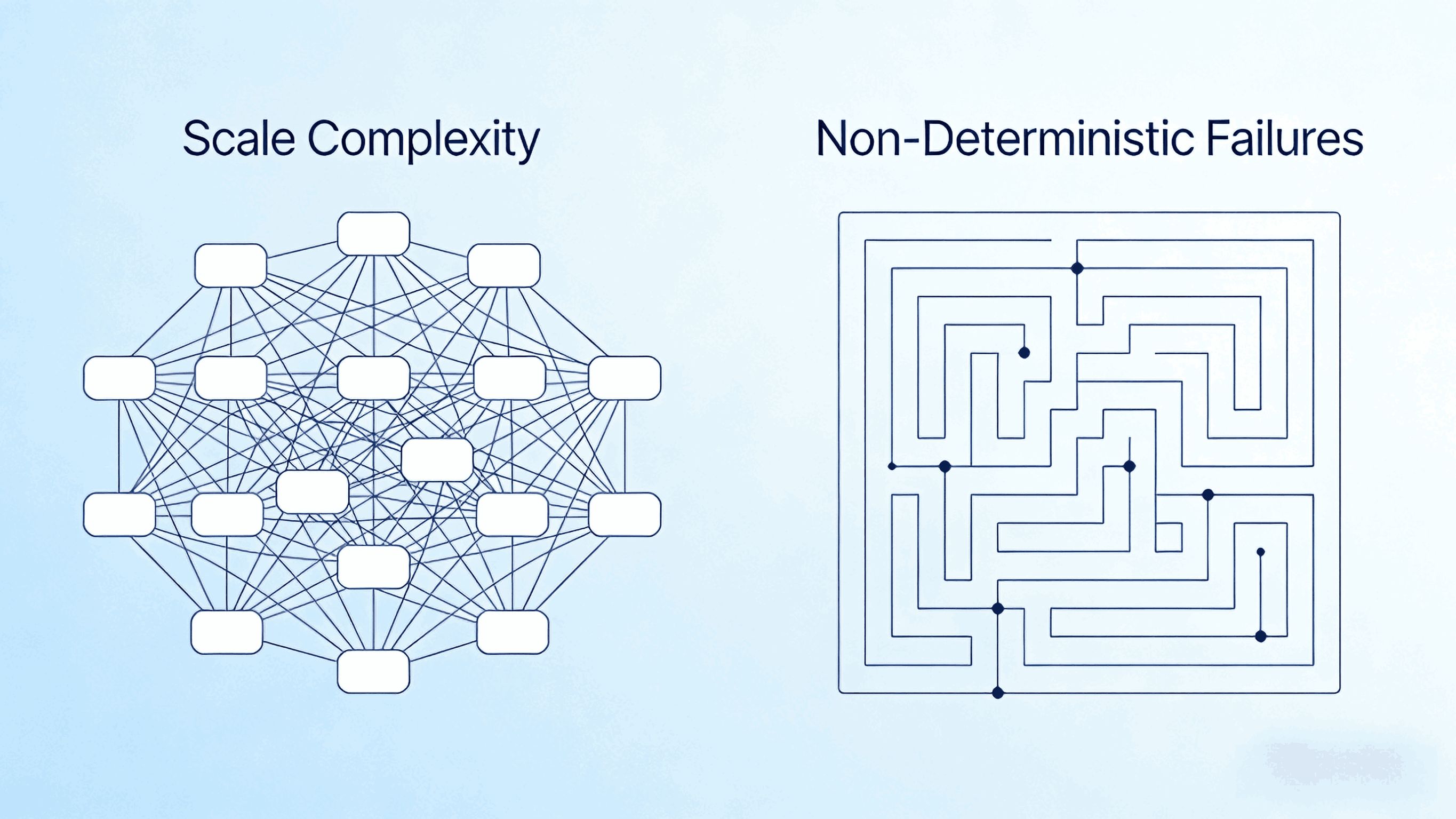
Interactions grow exponentially with each new component
Failures become non-deterministic
Root cause analysis becomes harder, not easier
What was once a controlled experiment becomes continuous firefighting.
4. Engineering Time Has Asymmetric Value
For engineering managers, not all hours are equal:
An hour spent fixing a driver conflict is an hour not spent improving automation
An hour spent reproducing field issues is an hour not spent optimizing performance
An hour spent re-validating is an hour not spent designing the next platform
Trial-and-error selection quietly converts high-leverage engineering time into low-leverage maintenance work.
5. Hidden Schedule Risk: The “Invisible Slip”
Trial-and-error rarely causes dramatic failures.
Instead, it causes:
Small delays across many validation cycles
Repeated retesting after minor changes
Slow erosion of schedule confidence
By the time leadership notices, delivery dates have already shifted.
6. Why Engineering Managers Resist This Pattern
Experienced engineering managers know:
What’s missing is a stable, pre-validated component baseline.
Without it, teams are forced into reactive work — regardless of talent or tooling.

7. What Replaces Trial-and-Error: Pre-Validated Selection
High-performing teams shift from trial-and-error to:
Locked component combinations
Documented firmware and driver stacks
Known upgrade paths
Reproducible validation environments
This transforms engineering work from problem-chasing to system-building.
8. The Management Outcome That Matters
When trial-and-error is eliminated:
Most importantly, engineering managers regain predictability.
Conclusion
Trial-and-error component selection does not fail loudly.
It fails quietly — by consuming engineering time that should be spent on innovation.
For engineering managers, the lesson is clear:
Component selection is an engineering productivity decision, not a purchasing shortcut.
The most successful teams don’t move faster by trying more options —
they move faster by trying fewer, validated ones.