How One Unvalidated Component Triggers RMAs You Never Expected
An After-Sales and QA Perspective
In post-deployment failure analysis, the most expensive incidents rarely start with catastrophic hardware damage.
They begin with something far more subtle:
one unvalidated component entering production.
For after-sales and QA teams, these cases are especially damaging — not because the failure rate is high, but because the failures spread, mutate, and escalate in unexpected ways.
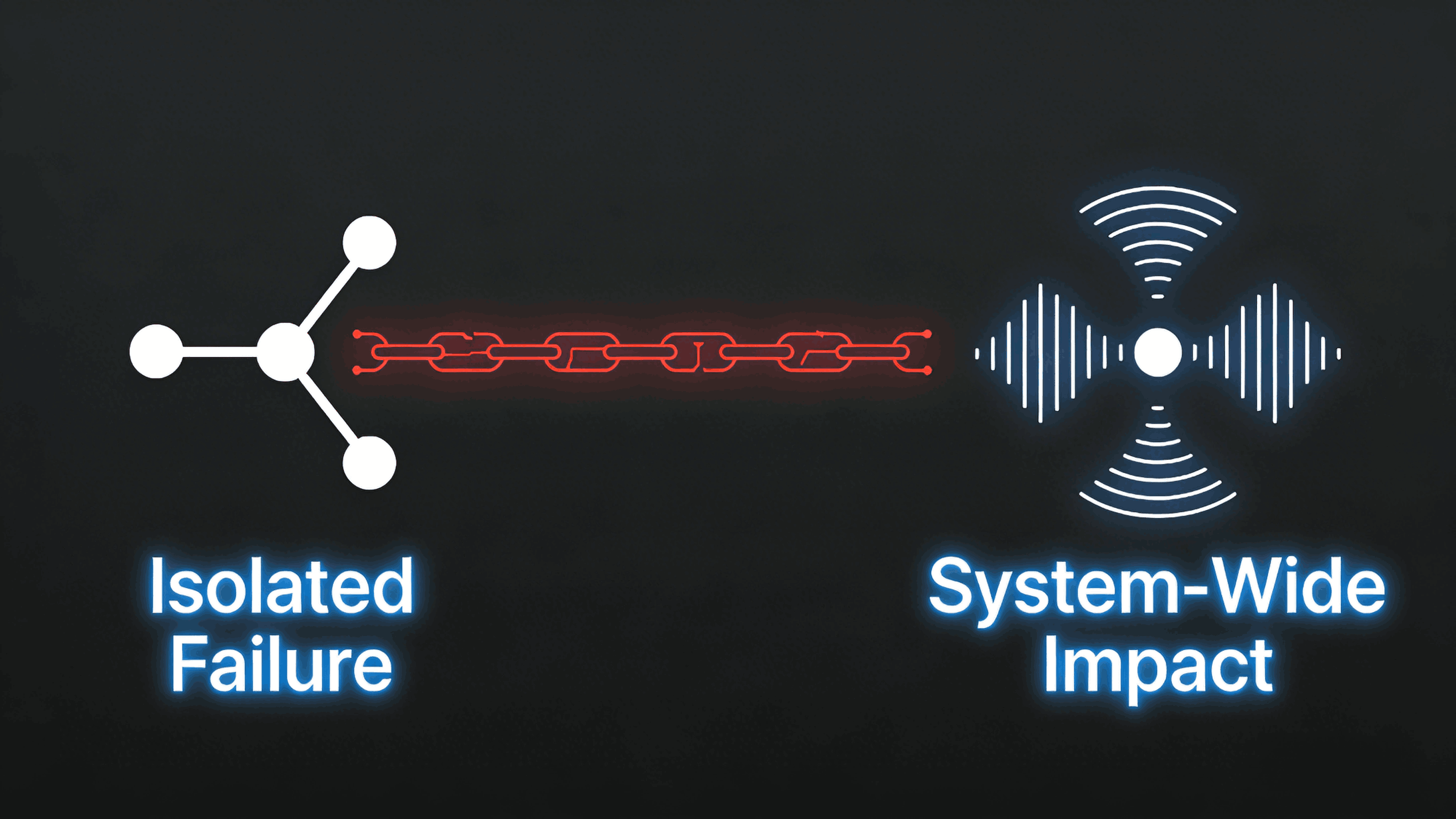
1. The Myth of the “Isolated Failure”
When the first RMA arrives, it often looks harmless:
The natural assumption:
This is an isolated hardware defect.
In reality, many large RMA waves start this way — triggered by a single unvalidated component interacting poorly with the system.

2. How One Component Becomes a System-Wide Problem
An unvalidated component rarely fails alone.
It introduces instability that propagates across the system.
Typical chain reactions include:
Power fluctuations triggering storage timeouts
Signal integrity margin loss causing PCIe retraining
Firmware corner cases exposed under stress
Timing issues that appear only after long uptime
What begins as a minor anomaly becomes a pattern — but only after significant damage is done.
3. Why QA Often Sees the Problem Last
QA validation usually focuses on:
Unvalidated components often:
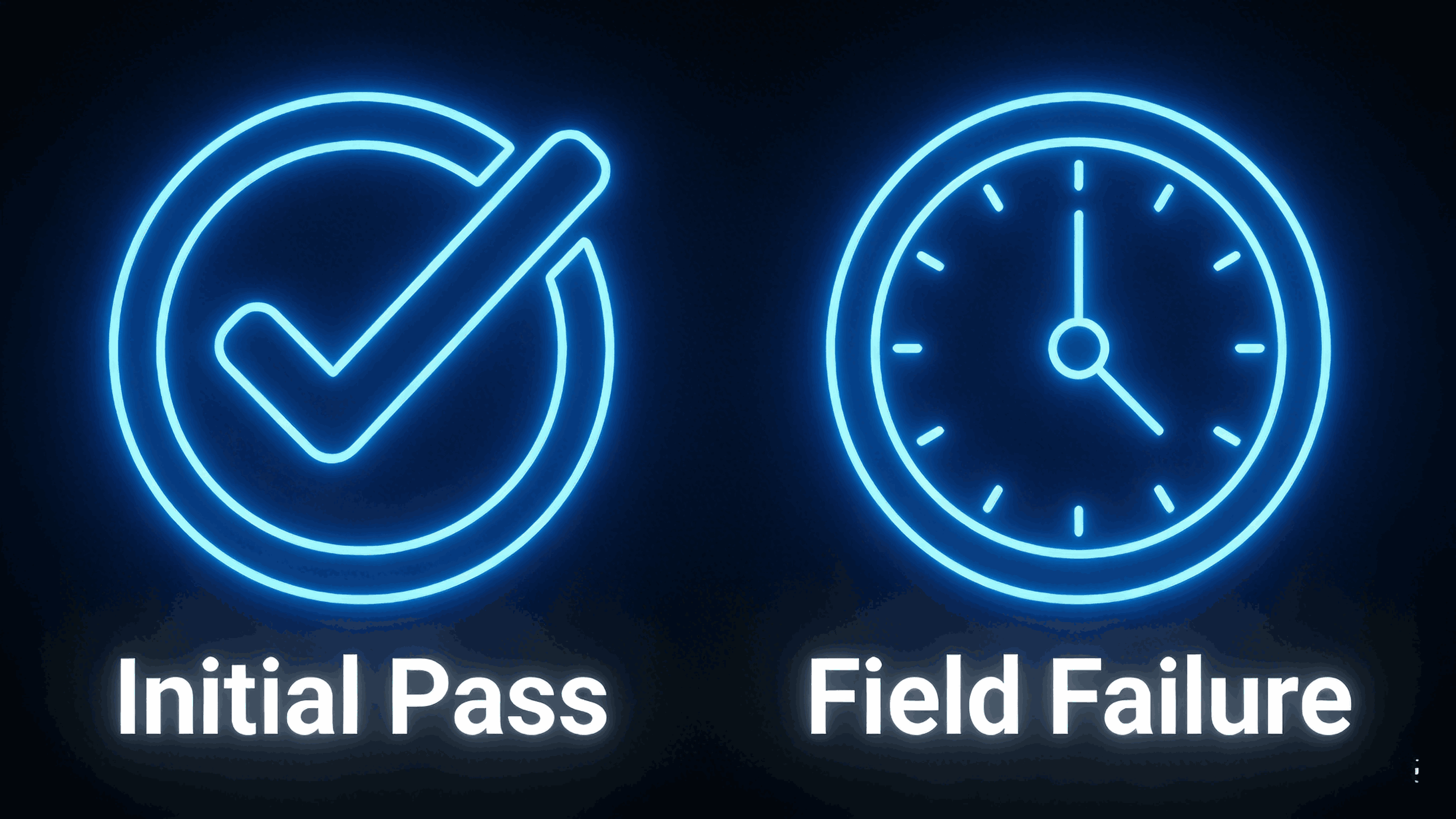
Pass initial tests
Fail only after extended runtime
Break only under specific workloads
Affect only certain batches
By the time QA detects the trend, systems are already in the field.
4. How These Failures Multiply RMAs
Once instability appears:
Customers report different symptoms
Support teams replace different parts
Root cause remains hidden
Confidence erodes
This leads to:
Multiple RMAs triggered by a single root cause — without fixing the real issue.
The RMA count grows, even though nothing is “broken” in the traditional sense.
5. Why After-Sales Teams Carry the Real Cost
Each escalation adds:
For QA and after-sales teams:
The cost is not one component — it is the compounded operational impact.

6. The Common Patterns Behind Cascading RMAs
From field data, cascading RMA events often involve:
Memory DIMMs with marginal training behavior
NVMe SSD firmware inconsistencies
Power supplies with weak transient response
PCIe risers or cables with insufficient margin
Individually, these components are “compatible.”
Collectively, they are unstable.
7. How High-Maturity Teams Break the Chain Reaction
Experienced QA and reliability teams:
Track component behavior across batches
Correlate symptoms instead of part numbers
Demand system-level validation evidence
Lock validated configurations early
Feed field data back into validation loops
They treat RMAs as signals, not events.
8. Validation Is the Most Effective RMA Prevention Tool
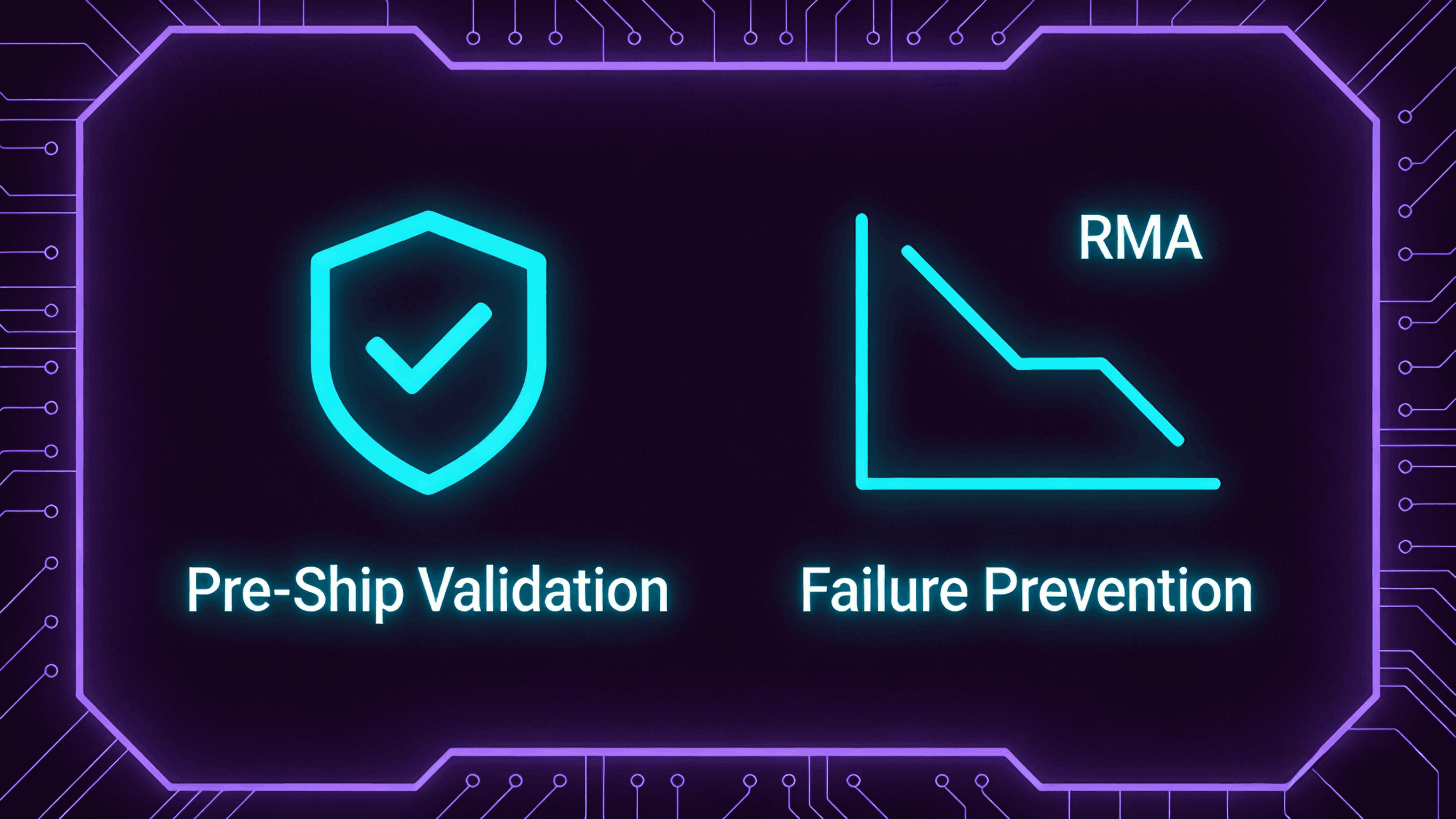
The most effective way to reduce RMAs is not faster replacement —
it is preventing unstable combinations from shipping.
Validated components:
This is why mature organizations invest heavily in pre-shipment validation.
Conclusion
One unvalidated component rarely causes one RMA.
It causes:
For after-sales and QA teams, the lesson is clear:
RMA reduction starts before shipment — not after failure.
In complex systems, preventing instability is far cheaper than managing its consequences.