Why Cloud Providers Value Predictability Over Peak Performance
In large-scale cloud environments, the most dangerous failures are rarely dramatic.
They are subtle.
They are inconsistent.
And worst of all — they are unpredictable.
For Cloud Providers operating thousands or hundreds of thousands of servers, stability is not defined by whether a single machine works. It is defined by whether every machine behaves the same way, every time, under the same conditions.
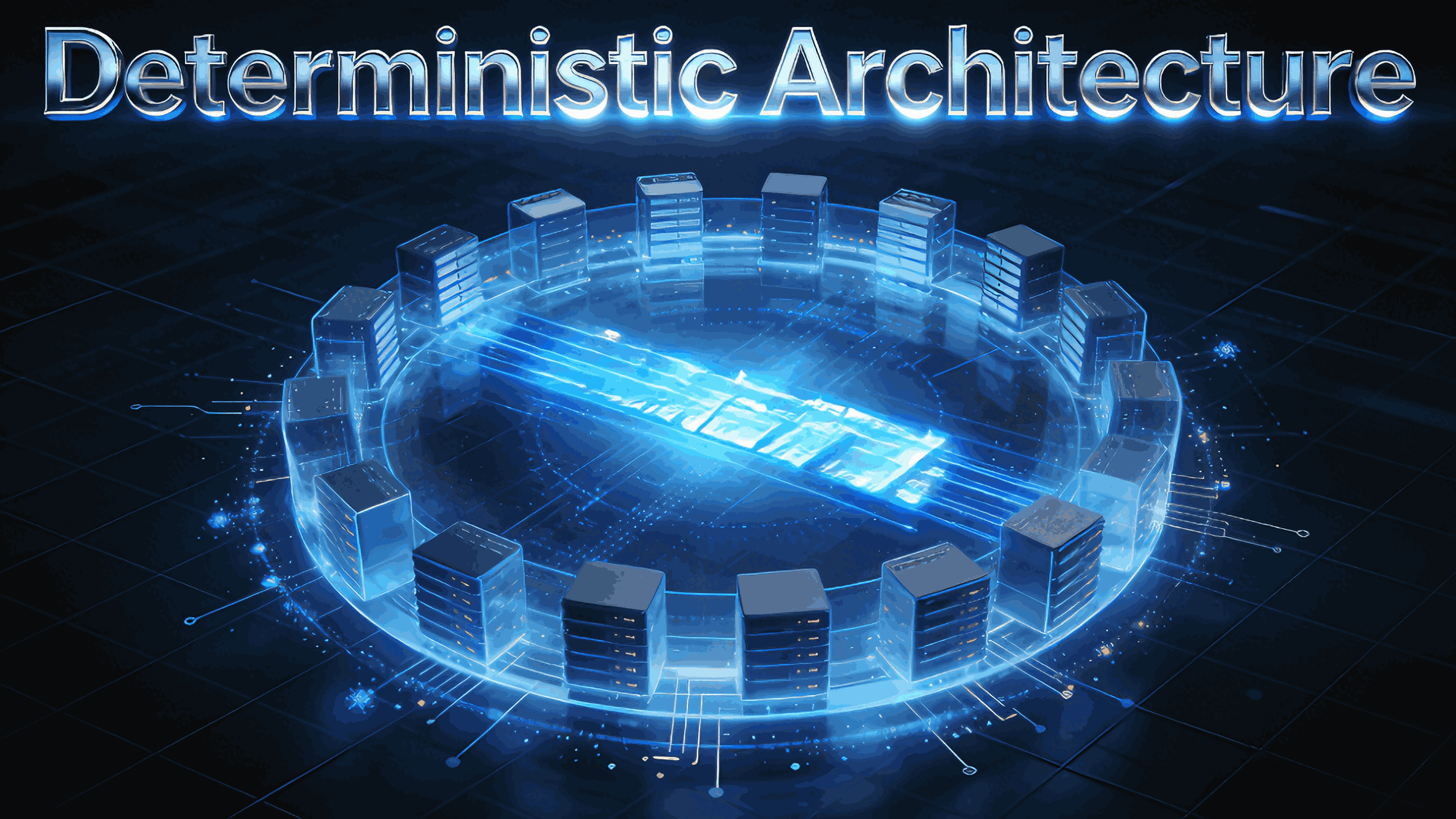
This is where the concept of Deterministic Architecture becomes critical.
1. Stability Means Predictability — Not Just Uptime
From a Cloud Provider’s perspective, “stable hardware” does not simply mean:
No crashes
High benchmark scores
Passing factory QA
Instead, stability means:
Identical configurations behave identically at scale
Deployment outcomes are repeatable across regions and batches
Failures can be reproduced in a lab environment
Changes can be evaluated, rolled out, and rolled back safely
In cloud infrastructure, unpredictable behavior is more expensive than occasional failure.
Predictability reduces operational risk.
Uncertainty multiplies it.
2. What Is Deterministic Architecture?
A Deterministic Hardware Architecture is a design and validation philosophy where:
Given the same inputs, the system produces the same behavior — consistently and measurably.
In practical terms, this means:
➡️ The system behavior is repeatable, observable, and explainable.
This is the opposite of the common cloud problem known as:
“Same server model. Different behavior.”
3. Why Cloud Providers Reject Non-Deterministic Hardware
Non-deterministic behavior rarely shows up during basic validation.
It emerges only at scale.
Common examples include:
PCIe devices intermittently missing after reboot
NICs negotiating link speeds differently across nodes
RAID controllers entering inconsistent degraded states
CPU stepping differences affecting virtualization stability
Thermal policies triggering throttling unpredictably
Each issue may appear minor in isolation.
At cloud scale, they become systemic risks.
For Cloud Providers, the cost is real:
SLA violations
Automated deployment pipelines breaking
Increased SRE intervention
Longer region and availability-zone bring-up times
4. The Five Pillars of Deterministic Architecture (Cloud View)
1. Behavioral Consistency at the BOM Level
Cloud Providers care less about part numbers — and more about behavioral equivalence.
Same model ≠ same behavior
Alternate components must be validated for edge-case behavior
Approved Vendor Lists (AVL) must preserve system assumptions
Specification compatibility is not enough. Behavior compatibility matters.
2. Locked Firmware and Driver Baselines
Deterministic systems require strict baseline control:
Frozen BIOS and BMC versions
Whitelisted NIC, RAID, and NVMe drivers
Defined upgrade paths with rollback options
Any untracked change introduces uncertainty — and therefore risk.
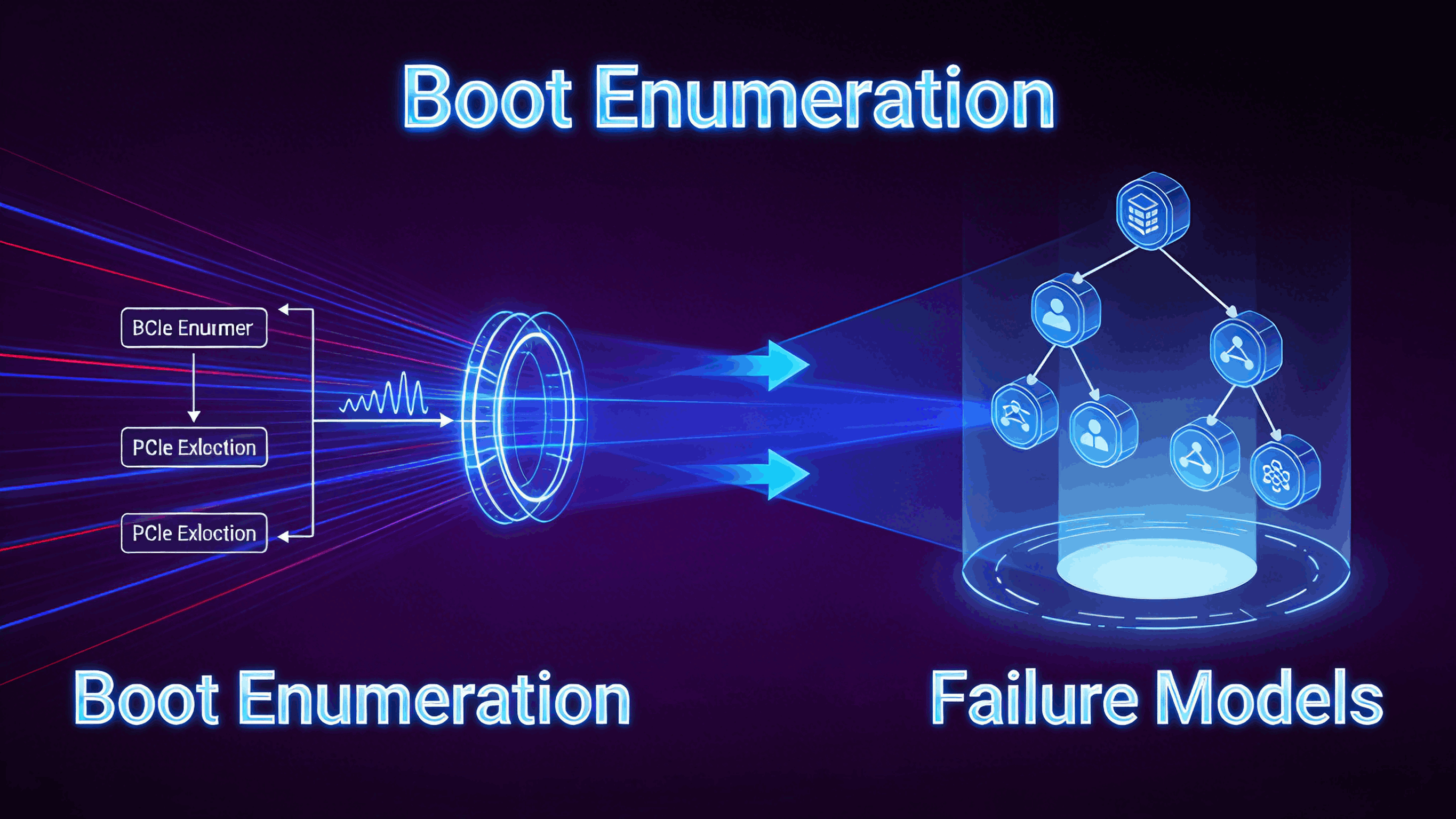
3. Deterministic Boot and Enumeration Paths
Predictability depends on consistency in:
These directly affect:
4. Reproducible Failure Models
Cloud Providers value systems where:
Failures can be reproduced on demand.
This requires:
If a problem cannot be reproduced, it cannot be reliably fixed.
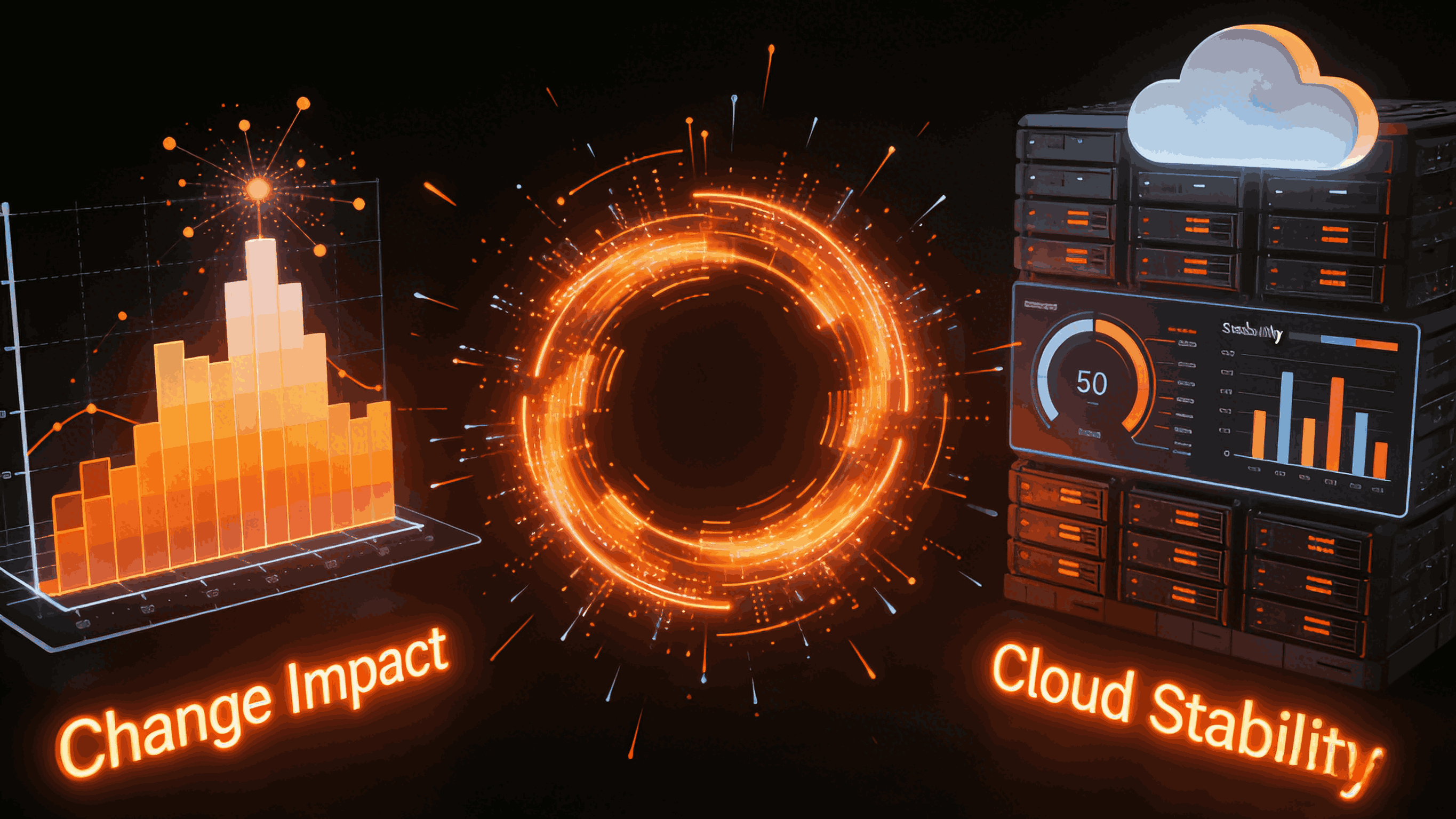
5. Predictable Change Impact at Scale
Every change must answer three questions:
How many nodes are affected?
Does this break existing behavior assumptions?
Can it be rolled out gradually and reversed safely?
Deterministic Architecture enables controlled evolution — not risky experimentation.
5. What Cloud Providers Expect from Hardware Partners
From a Cloud Provider’s perspective, the best hardware partners are not those offering the most features — but those who reduce uncertainty.
They provide:
Pre-validated configurations
Clear explanations of why specific combinations are safe
Transparent risk assessments for changes
Deployment-ready hardware stacks
This is why cloud operators increasingly require:
6. Predictability Is the Hidden Moat of Cloud Infrastructure
As infrastructure scales from hundreds to tens of thousands of servers, the real challenge shifts.
Performance can be optimized.
Failures can be handled.
But unpredictability cannot be automated away.
Deterministic Architecture is not a marketing term.
It is an operational necessity born from real-world cloud experience.
Conclusion
Deterministic Hardware Architecture is a commitment to scale-ready reliability.
For Cloud Providers, the most valuable systems are not those that never fail —
but those that behave consistently, fail predictably, and recover methodically.
Predictability is what makes cloud infrastructure sustainable.