
tom@angxunmb.com
86 18933248858
In 2025, vendor choice is infrastructure strategy. With the explosion of OEM/ODM options, rising Tier-1 pricing, and global supply-chain volatility, infrastructure architects can’t just trust branding or polished presentations anymore. repeatable, auditable vendor-vetting checklist Here’s a comprehensive list used by real enterprises, MSPs, and OEM integrators today. If a vendor can’t satisfy these requirements, they aren’t ready for your infrastructure. 1. Customer References (Real Ones, Not “Logo Slides”) Every vendor claims big clients. Few can prove real deployments. Ask for: Direct contact to at least two technical buyers References for similar workloads References from the same scale category as you Evidence of multi-year repeat orders The most valuable question to ask references: “What went wrong, and how did they respond?” reaction 2. Failure-Rate and Batch Consistency Reports This is non-negotiable. Request: RMA rate by product line Failure modes (thermal, component, power-related) Batch-to-batch variance Burn-in test data Component sourcing transparency High-quality manufacturers will have AOI/SPI/ICT data readily available. Shenzhen Angxun Technology SPI + AOI automated inspection reports Batch traceability Failure-rate summaries across 300,000+ monthly motherboard units If a vendor refuses this data? That’s the whole answer — walk away. 3. Site Audit Rights (Remote or On-Prem) If you cannot audit the factory, you cannot trust the factory. Your audit checklist should include: SMT line capability Incoming component inspection workflow Environmental conditions and ESD compliance AOI/SPI coverage percentage Worker training and certifications Storage condition for sensitive components Rework stations and quality processes Engineering change control (ECO) documentation welcome Middlemen and trading companies hate them. Again, using Angxun as an example: They open their 10,000㎡ facility, 5 SMT lines, and R&D center for audits — a strong indicator they are an actual manufacturer, not an assembler. 4. Disaster Recovery & Business Continuity Plan A vendor is only reliable if they have a plan for when things go wrong. Verify they have: Dual-sourced critical components Disaster-resilient production capability Inventory buffers Secondary production lines Documented BCP/DR policy Ask specifically: “If your SMT line goes down for 10 days, what happens to my order?” A real OEM has an answer. A reseller will simply apologize. 5. Hardware Engineering Transparency under the hood Schematics or partial block diagrams Component list transparency (especially VRM, capacitors, MOSFETs) BIOS/firmware update policies Thermal design evidence MTBF calculations Power-delivery design data The reason some enterprises choose Angxun is because they share engineering-level data: Aluminum-base thermal platform All-solid capacitors PCB copper plating process Independent CPU power rails Zero-burning protection circuits Dual-safety power stabilization This is the level of detail infrastructure architects need. 6. Certifications & Compliance Minimum acceptable certifications: CE / ROHS / FCC ISO9001 manufacturing standard ISO14001 environmental compliance Bonus points: Factory’s environmental material compliance Component traceability Export-ready documentation Support for regional safety 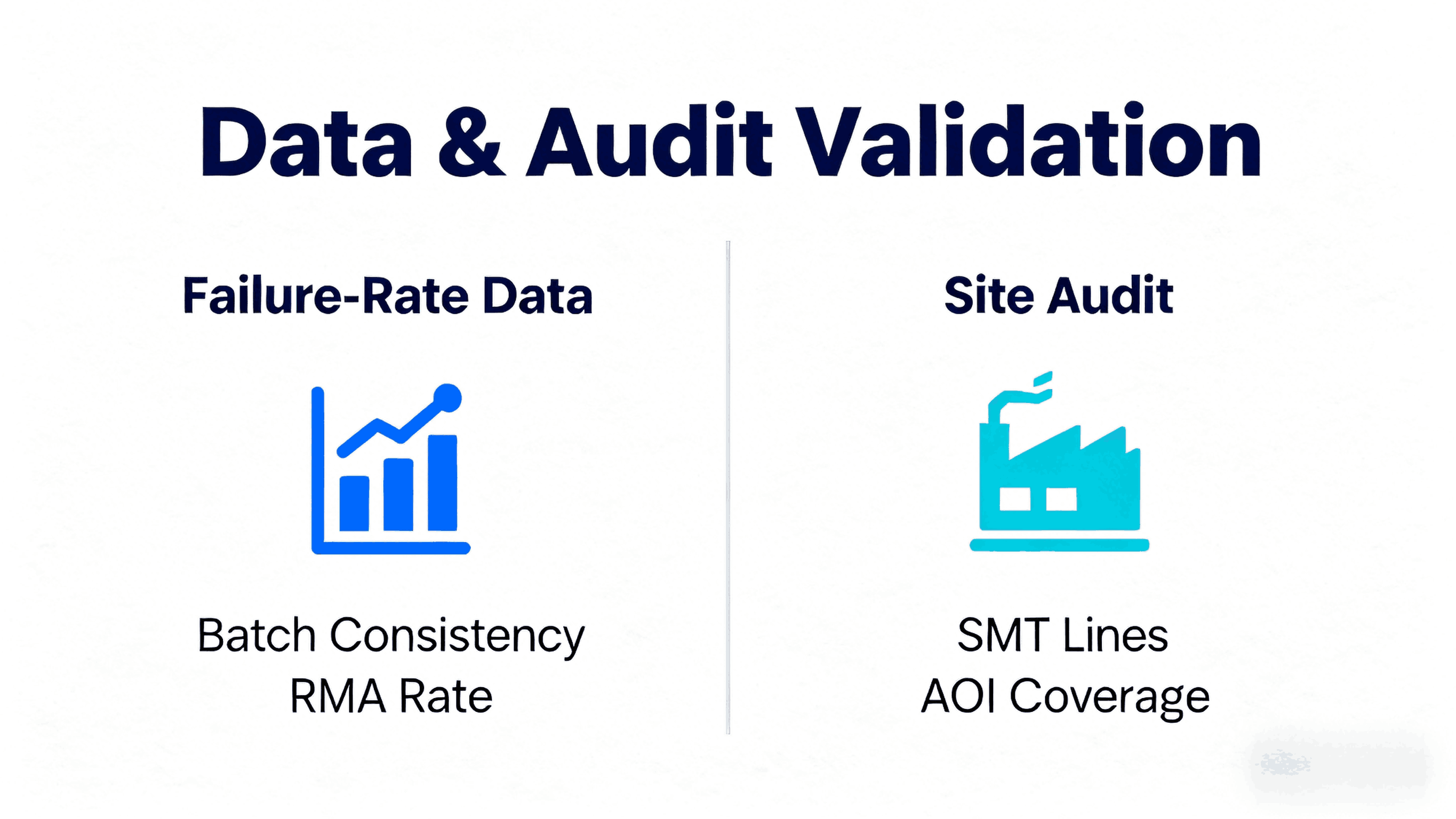
Contact: Tom
Phone: 86 18933248858
E-mail: tom@angxunmb.com
Whatsapp:86 18933248858
Add: Floor 301 401 501, Building 3, Huaguan Industrial Park,No.63, Zhangqi Road, Guixiang Community, Guanlan Street,Longhua District,Shenzhen,Guangdong,China
We chat